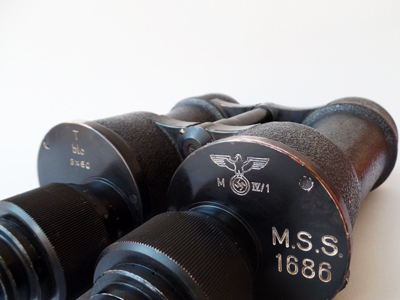
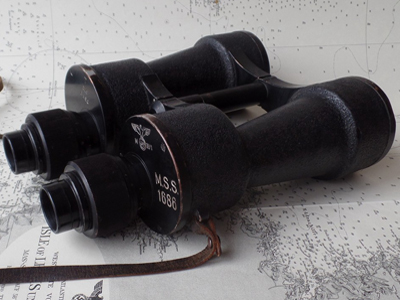
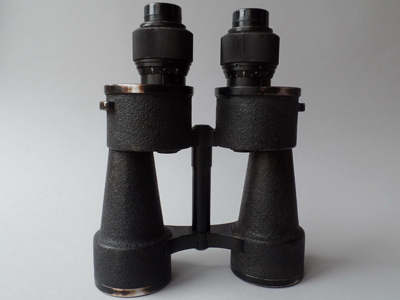
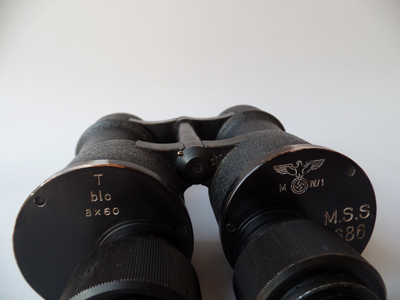
This is a list of serial numbers, observed in collections and recorded from sources online, of German Kriegsmarine sextants manufactured by Carl Plath of Hamburg mostly from 1939 to 1945, marked U.D.F. — Unterseebootdoppelfernrohr (U-boat surface targeting binoculars) — equipment of the Unterseebootwaffe (U-boat Service, Submarine Service) of the German Kriegsmarine (Navy) during World War II.

Die Woche (The Week) – Berlin – April 14, 1943
In 1862, Carl Christian Plath purchased a small established German navigation
instrument store founded by David Filby, a professional precision instrument maker, 25 years earlier. This company checked and certified sextants, barometers and compasses aboard ships in North Germany and also hand-built these instruments one by one.
Plath broadened the base of the former Filby business. In 1865, Plath purchased a circular dividing machine for engraving the
graduations on the arcs of the sextants he was producing.
Soon Plath was manufacturing a broad line of nautical instruments, including compasses of all sorts, his newly patented lightweight compass card, patent logs, sextants and octants. In 1889, at the Hamburg Crafts and Industry Exhibition, Plath received high praise and a Gold
Medal for excellent precision work and the best made instruments in Hamburg.
In 1899, Carl Plath’s son, Theodor, became a partner in the family business. At this time, it was no longer efficient to produce sextants with the old circular dividing machine which Carl had purchased in 1865. Theodor was instrumental in developing a new electrically operated dividing machine which saved hours of manual labor and improved the accuracy of the sextants that were produced. The world renowned C. Plath sextants were manufactured on this machine until World War II.
Together, Carl and Theodor, showed and demonstrated their precision instruments at the Paris World Exhibition in the German Shipping Pavilion in 1900. The exhibition jury presented C. Plath a silver medal, conferring upon them, “the highest distinction for nautical instruments in commercial shipping.” This achievement cemented the exceptional reputation of C. Plath products throughout the world.

CARL PLATH / HAMBURG – Kriegsmarine sextant in original wooden box
The early 1900’s was a period of experimentation in aviation, and C-Plath was approached by pioneers in this field to develop a compass with a rotatable ring marked in degrees from 1 to 360 that would determine drift and the necessary correction angle. This new easy-to-read compass was the forerunner of the gridcompass C. Plath manufactures today.
In 1930, Theodor’s son in law, Johannes Boysen, began an apprenticeship to take over the leadership role of C-Plath. Boysen took the company from a specialty craft house to a full-fledged industry, taking
the company from 34 employees to 400. The company, miraculously survived World War I, the World Economic Crisis (the Great Depression in the USA), and even WWII at which time C. Plath provided state-of-the art gyrocompasses and navigation instruments to the III Reich.
At the end of WWII, the company almost disappeared when the Allied Forces dismantled the factory due to the prohibition of shipbuilding in Germany. Also, Boysen, the company president, was required to serve a two year prison sentence because he provided equipment to the German military during the war. At this time, the factory was relegated to manufacturing typewriters, spray guns and the works for station clocks of the Hamburg rapid transit system. But with the relaxing of the shipbuilding prohibition in 1949, C. Plath gradually returned to its roots and began manufacturing marine instruments again. By 1953, Boysen had worked out a relationship with Captain Weems to sell C. Plath sextants and compasses in the USA, hence the name Weems & Plath.

CARL PLATH / HAMBURG – Kriegsmarine sextant with “Sonnenschiesser” (“Sun Shooter”) logo on black Bakelit (Bakelite) handle
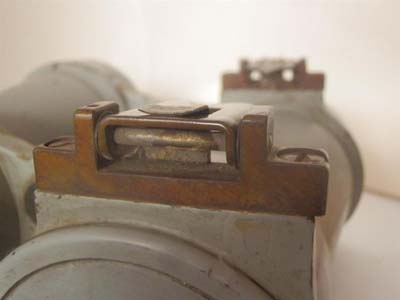
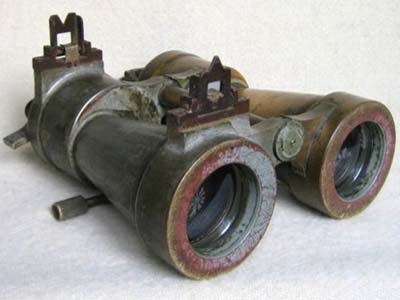
A reticle within the right prism, in the form of a single black vertical line in daylight or a single white vertical line at night (illuminated by luminous paint), always aligned exactly on the target bearing.
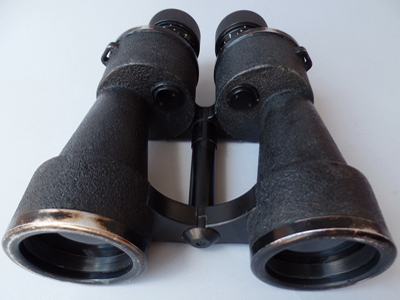
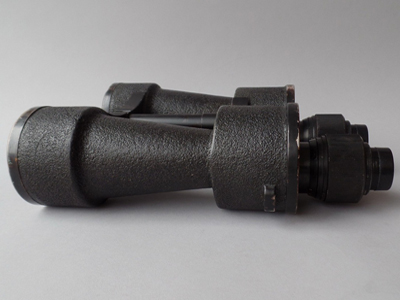
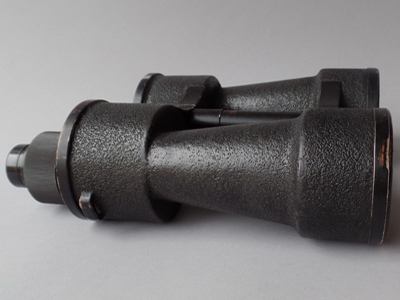
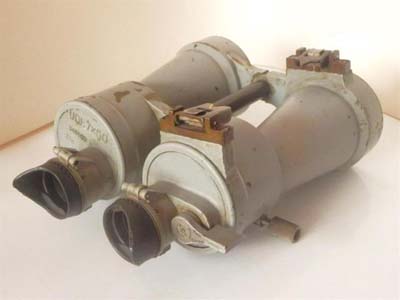
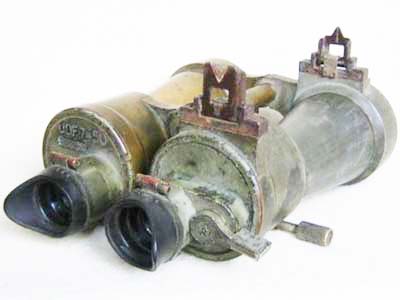
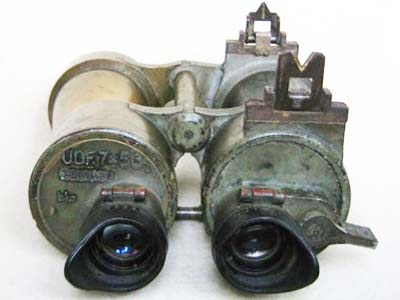
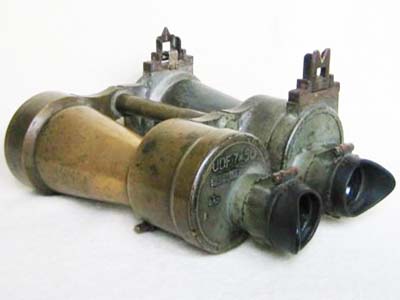
Although not much larger than the standard 7×50 Dienstglas (overall length 20 cms, 7.87 inches), U.D.F. are built of massively strong, heavy cast bronze construction, and weigh approximately 6 kgs (13.23 lbs). Designed to resist the crushing water pressure of deep ocean depths, U.D.F. were guaranteed watertight to a depth of at least 100 meters (328 feet). Although watertight, the U.D.F. would only be mounted after coming to the surface, then before submerging, taken back inside. In case of a sudden emergency dive, the U.D.F. could be left behind on the conning tower.
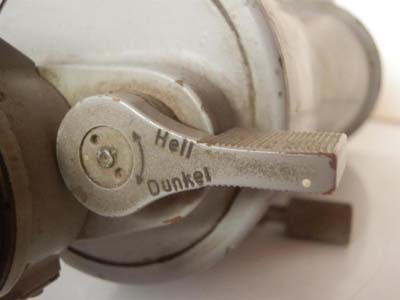
Focus was fixed at the factory, and is not adjustable. A lever on the right prism housing was marked Hell (light) and Dunkel (dark) to set reticle illumination. In daylight, the knob is put in the Hell position, and the reticle is visible as a black vertical line. At night, the knob is put in the Dunkel position, and the reticle is visible as a white vertical line, illuminated by luminous paint. At the back is a bending bar for adjusting the eye position. U.D.F. have flip up rubber rear lens shields with side extensions to block light shining in from the sides. They are also equipped with small holes to drain condensation.
Original finish over the natural bronze construction is dark sea-blue enamel paint. The U.D.F. serial numbering system appears to be a special series for the Marine (Navy), or perhaps just for the Unterseebootdienst (Submarine Service, U-boat Service).

CARL PLATH / HAMBURG – Kriegsmarine sextant with Reichsadler over script “M” (Marine, Navy) and Kriegsmarine property number

CARL PLATH / HAMBURG – Kriegsmarine sextant – “D.S.” (Deutsche Seewarte), German Hydrographic Office, similar to the U.S. Naval Observatory) and C. Plath “Sonnenschiesser” (“Sun Shooter”) logo
16678 1630
 xxx — Carl Plath, Stubbenhuk 25, Hamburg, Deutschland xxx — Carl Plath, Stubbenhuk 25, Hamburg, Deutschland
|
|
|
|
|
| S/N |
|
Identifying Features |
Year of Mfg |
|
|
|
|
|
|
|
|
serial number
4796 |
|
| German Marine Trommel (sextant) s/n “4796” : Index arm unmarked. Left end of numbered arc marked “4796” over “S” (Deutsche Seewarte), German Hydrographic Office, similar to the U.S. Naval Observatory, over C. Plath Sonnenschiesser (“Sun Shooter”) stick man logo. Center of numbered arc marked “C. PLATH, HAMBURG”. Deutsche Seewarte certificate not present. |
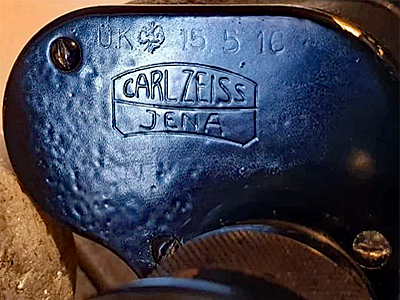
6x30 1916-06 613902 (15.5.16) Marineglas 01
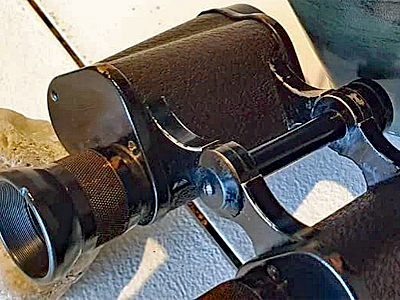
6x30 1916-06 613902 (15.5.16) Marineglas 02
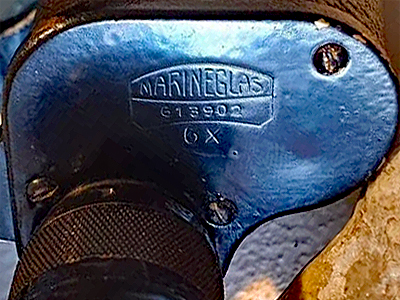
6x30 1916-06 613902 (15.5.16) Marineglas 03
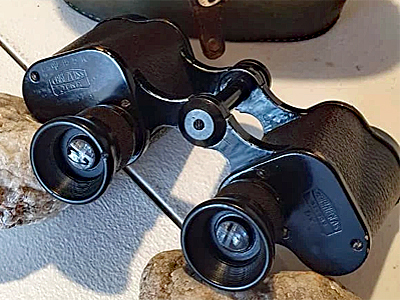
6x30 1916-06 613902 (15.5.16) Marineglas 04
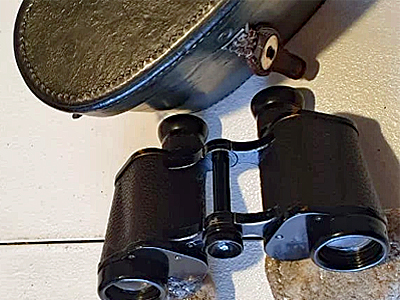
6x30 1916-06 613902 (15.5.16) Marineglas 05
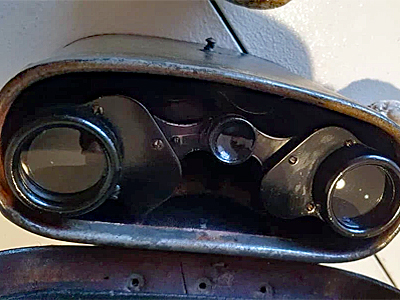
6x30 1916-06 613902 (15.5.16) Marineglas 06
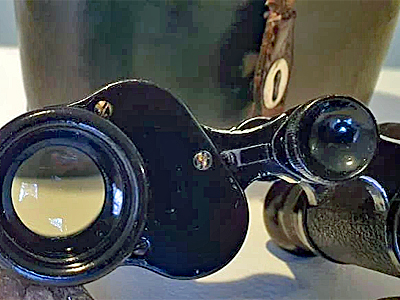
6x30 1916-06 613902 (15.5.16) Marineglas 07
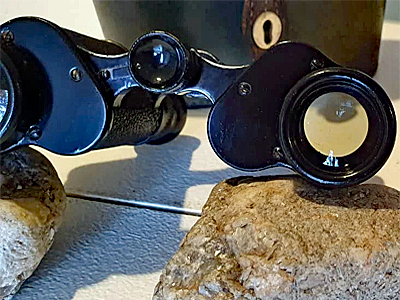
6x30 1916-06 613902 (15.5.16) Marineglas 08
CZ DF6x30 1918-02 858568 (22.4.18) Austria-Hungary 07
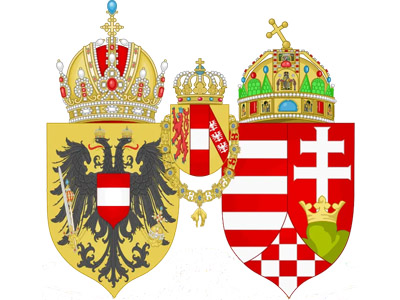
Austro-Hungarian Monarchy shields 400300
|
|
CP : 4796
mfg. about 1906
|
|
|
|
|
|
|
|
|
|
|
|
|
serial number
8340 |
|
| German Marine Trommel (sextant) s/n “8340” : Base of index arm marked “D.R.G.M. 724619” over “”72462a / 25”. Left end of numbered arc marked with C. Plath Sonnenschiesser (“Sun Shooter”) stick man logo. Center of numbered arc marked “C PLATH HAMBURG”. Deutsche Seewarte (German Hydrographic Office, similar to the U.S. Naval Observatory) Certificate, dated 9.10.1920, Nr. 11496, Buch (book) 39, Seite (page) 378 of Sextant von C. Plath, Hamburg Nr. 8340, Eingliefert (delivered) am 7.10.1920, Geprüft (tested) am 9.10.1920. |
|
|
CP : 8340
mfg. about
October 1920
|
|
|
|
|
|
|
|
|
|
|
|
|
|
|
|
|
serial number
12338 |
|
| German Marine Trommel (sextant) s/n “12338” : Index arm marked “C. Plath” over “Hamburg”. Left end of numbered arc marked “Made in” over “Germany” and C. Plath Sonnenschiesser (“Sun Shooter”) stick man logo and “D.S.” (Deutsche Seewarte), German Hydrographic Office, similar to the U.S. Naval Observatory. Right end of numbered arc marked with serial number “12338” of about January 1930. Deutsche Seewarte Certificate, dated 31.1.1930, Nr. 48, Buch (book) 41, Seite (page) 18 of Trommel-Sextant von C. Plath, Hamburg Nr. 12338 Eingliefert (delivered) am 30.1.1930, Geprüft (tested) am 30.1.1930. |
|
|
CP : 12338
mfg. about
January 1930
|
|
|
|
|
|
|
|
|
|
|
|
|
|
|
|
|
serial number
12557 |
|
| German Marine Trommel (sextant) s/n “12557” : Index arm appears to be unmarked, but should be marked “C. Plath” over “Hamburg”. Left end of numbered arc is not visible, so I cannot see, but should be marked “Made in” over “Germany” and C. Plath Sonnenschiesser (“Sun Shooter”) stick man logo and “D.S.” (Deutsche Seewarte), German Hydrographic Office, similar to the U.S. Naval Observatory. Right end of numbered arc should be marked with serial number “12557” of about June 1930, but this sextant is without the serial number, and instead is marked with the initials “R . W . S .” Deutsche Seewarte Certificate, dated 3.6.1930, Nr. 277, Buch (book) 41, Seite (page) 33″ of Sextant von C. Plath, Hamburg Nr. 12557, Eingliefert (delivered) am 3.6.1930, Geprüft (tested) am 3.6.1930. |
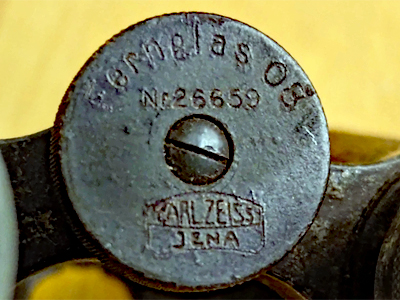
CZ 6x39 Fernglas 08 Nr.26659 1917 01
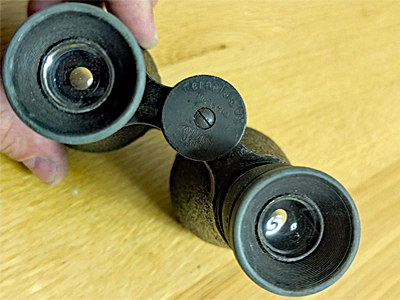
CZ 6x39 Fernglas 08 Nr.26659 1917 02
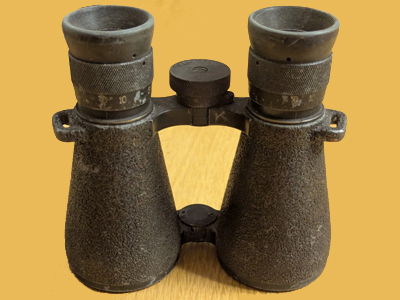
CZ 6x39 Fernglas 08 Nr.26659 1917 03
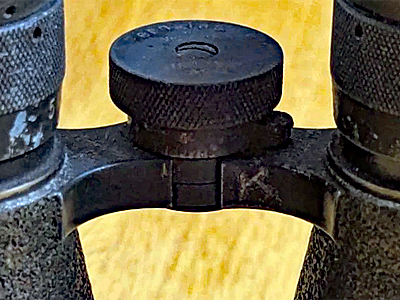
CZ 6x39 Fernglas 08 Nr.26659 1917 04
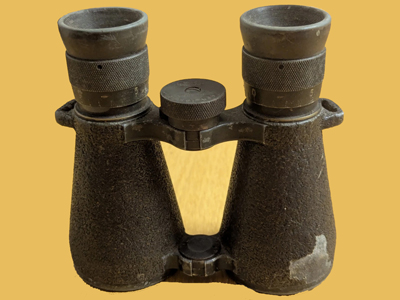
CZ 6x39 Fernglas 08 Nr.26659 1917 05
|
|
CP : 12557
mfg. about
June 1930
|
|
|
|
|
|
|
|
|
|
|
|
|
|
|
|
|
|
|
|
|
|
|
|
|
|
|
|
|
|
|
|
|
|
|
|
|
|
|
|
|
|
|
|
|
|
|
|
|
|
|
|
|
|
|
|
|
serial number
16426
unit number
Strm Sch 14 |
|
| German Kriegsmarine Trommel (sextant) s/n “16426”, unit number “Strm Sch 14” : Index arm marked with “Reichsadler” (Eagle) over script “M” (Marine, Navy) over “Strm. Sch.” over “14” over “C. Plath” over “Hamburg”. Left end of numbered arc marked “D.S.” (Deutsche Seewarte), German Hydrographic Office, similar to the U.S. Naval Observatory, and C. Plath Sonnenschiesser (“Sun Shooter”) stick man logo. Right end of numbered arc marked with serial number “16426” of about 19xx. Deutsche Seewarte certificate not readable. |
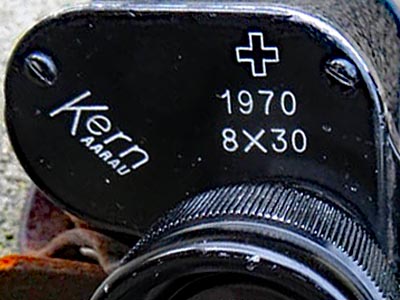
8x30 1970 No.36830 Kern Aarau 01
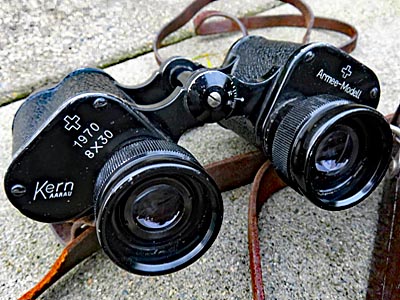
8x30 1970 No.36830 Kern Aarau 02
8x30 1970 No.36830 Kern Aarau 03
8x30 1970 No.36830 Kern Aarau 04

8x30 1970 No.36830 Kern Aarau 05
8x30 1970 No.36830 Kern Aarau 06
8x30 1970 No.36830 Kern Aarau 07
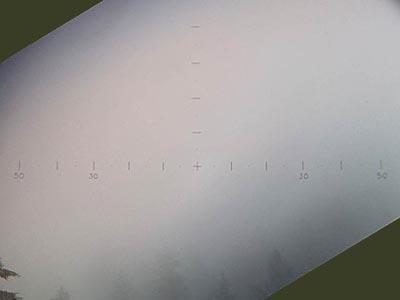
8x30 1970 No.36830 Kern Aarau 08
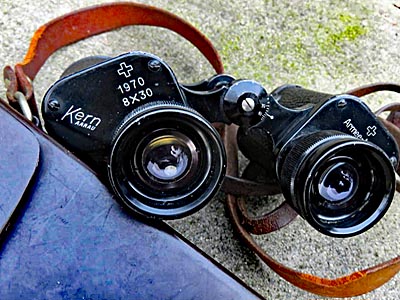
8x30 1970 No.36830 Kern Aarau 09
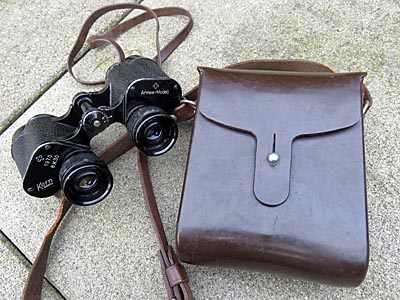
8x30 1970 No.36830 Kern Aarau 10
|
|
CP : 16426
Strm Sch 14
mfg. about 19xx
|
|
|
Outside of black Bakelit (Bakelite) handle marked with round “C. PLATH / “Sonnenschiesser” / Hamburg” logo, and inside of handle marked “IRS” and horizontal oval surrounding “9366” and round “Ai / m / S” Bakelit composition logo.C. Plath logo on inside of handle and on zinc plate attached to inside lid of fitted wooden box. Serial number 16426 paperwork includes two calibration certifications from 1958 and 1960, plus US Customs certificate.
German Kriegsmarine sextants known to have belonged to specific units are very rare. This one (serial number 16426) reportedly belonged to U-291.
U-291 was a Type VIIC U-boat of the German Kriegsmarine (1939-1945) during World War II. The submarine was laid down on October 17, 1942 at the Bremer Vulkan yard at Bremen-Vegesack as yard number 56. She was launched on June 30, 1943 and commissioned on August 4 under the command of Oberleutnant zur See Hans Keerle.
U-291 served with the 21st U-boat Flotilla for training from August 4-31, 1943, and was a ‘trials boat’ with the 23rd Flotilla from September 1, 1943 to July 1, 1944. She then worked as a ‘school boat’ from July 1, 1944 to February 28, 1945, once more with the 21st Flotilla. Her last assignment was with the 31st Flotilla from March 1 to May 8, 1945. U-291 carried out no patrols and did not sink or damage any ships.
The boat was surrendered on May 5, 1945 at Cuxhaven, Lower Saxony, Germany, on the shore of the North Sea at the mouth of the Elbe River. She was transferred on June 24 from Wilhelmshaven to Loch Ryan in Scotland for Operation Deadlight, and was sunk by the guns of HMS Onslaught off the coast of Northern Ireland on December 20, 1945. |
|
|
|
|
|
|
|
|
|
|
|
|
|
|
|
|
|
|
|
|
|
|
serial number
16678
unit number 1630 |
|
| German Kriegsmarine Trommel (sextant) s/n “16678”, unit number “1630” : Index arm marked with “Reichsadler” (Eagle) over script “M” (Marine, Navy) over “1630” over “C. Plath” over “Hamburg”. Left end of numbered arc marked with C. Plath Sonnenschiesser (“Sun Shooter”) stick man logo and “D.S.” (Deutsche Seewarte), German Hydrographic Office, similar to the U.S. Naval Observatory. Right end of numbered arc marked with serial number “16678” of about 19xx. Deutsche Seewarte certificate not present. |

bmj-6x30-460895-01-400300
bmj-6x30-460895

bmj-6x30-460895-02-400300
bmj-6x30-460895

bmj-6x30-460895-03-400300
bmj-6x30-460895

bmj-6x30-460895-04-400300
bmj-6x30-460895

bmj-6x30-460895-05-400300
bmj-6x30-460895

bmj-6x30-460895-06-400300
bmj-6x30-460895

bmj-6x30-460895-07-400300
bmj-6x30-460895

bmj-6x30-460895-08-400300
bmj-6x30-460895

bmj-6x30-460895-09-400300
bmj-6x30-460895

bmj-6x30-460895-10-400300
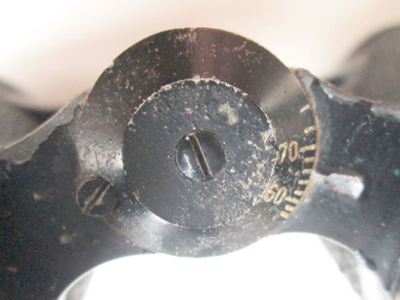
bmj-6x30-460895-11-400300
bmj-6x30-460895
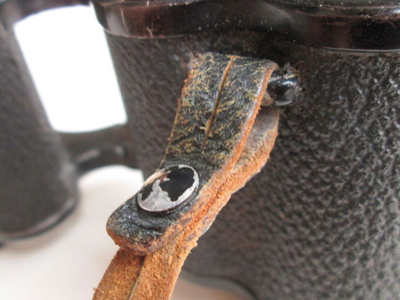
bmj-6x30-460895-12-400300
bmj-6x30-460895
|
|
CP : 16678 1630
mfg. about 19xx
|
|
|
Outside of black Bakelit (Bakelite) handle marked with round “C. PLATH / “Sonnenschiesser” / Hamburg” logo, and inside of handle marked “IRS” and horizontal oval surrounding “9366” and round “Ai / m / S” Bakelit composition logo. |
|
|
|
|
|
|
|
|
|
|
|
|
|
|
|
|
|
|
|
|
|
|
|
|
|
serial number
17040
unit number 1033 |
|
| German Kriegsmarine Trommel (sextant) s/n “17040”, unit number “1033” : Index arm marked with “Reichsadler” (Eagle) over script “M” (Marine, Navy) over “1033” over “C. Plath” over “Hamburg”. Left end of numbered arc marked “D.S.” (Deutsche Seewarte), German Hydrographic Office, similar to the U.S. Naval Observatory, and C. Plath Sonnenschiesser (“Sun Shooter”) stick man logo. Right end of numbered arc marked with serial number “17040” of about 19xx. Deutsche Seewarte certificate not present. |
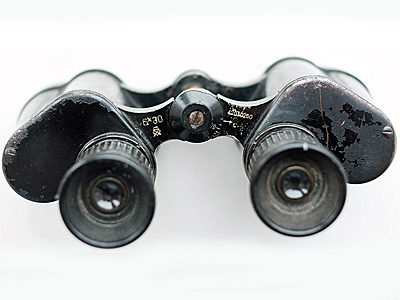
GOMZ-6x30-1942-42030250-01
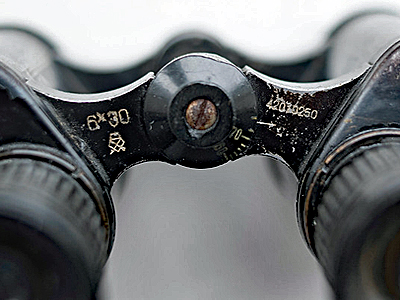
GOMZ-6x30-1942-42030250-02
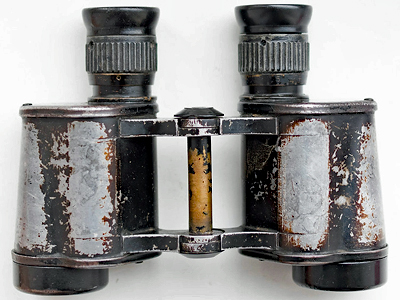
GOMZ-6x30-1942-42030250-03
|
|
CP : 17040 1033
mfg. about 19xx
|
|
|
Outside of black Bakelit (Bakelite) handle marked with round “C. PLATH / “Sonnenschiesser” / Hamburg” logo, and inside of handle marked “IRS” and horizontal oval surrounding “9366” and round “Ai / m / S” Bakelit composition logo. |
|
|
|
|
|
|
|
|
|
|
|
|
|
|
|
|
|
serial number
17562
unit number 1950 |
|
| German Kriegsmarine Trommel (sextant) s/n “17562”, unit number “1950” : Index arm marked with “Reichsadler” (Eagle) over script “M” (Marine, Navy) over “1950” over “C. Plath” over “Hamburg”. Left end of numbered arc marked with C. Plath Sonnenschiesser (“Sun Shooter”) stick man logo and “D.S.” (Deutsche Seewarte), German Hydrographic Office, similar to the U.S. Naval Observatory. Right end of numbered arc marked with serial number “17562” of about June 1940. Deutsche Seewarte Certificate, dated 11.6.1940, Nr. 2936, Buch (book) 42, Seite (page) 783″ of Trommel-Sextant von C. Plath, Hamburg Nr. 17562, Eingliefert (delivered) am 10.6.1940, Geprüft (tested) am 10.6.1940. |

CZ-8x30-2197899-01-400300
Carl Zeiss / Jena 8x30 2197899 Romanian Army

CZ-8x30-2197899-02-400300
Carl Zeiss / Jena 8x30 2197899 Romanian Army

CZ-8x30-2197899-03-400300
Carl Zeiss / Jena 8x30 2197899 Romanian Army

CZ-8x30-2197899-04-400300
Carl Zeiss / Jena 8x30 2197899 Romanian Army

CZ-8x30-2197899-08-400300
Carl Zeiss / Jena 8x30 2197899 Romanian Army

CZ-8x30-2197899-10-400300
Carl Zeiss / Jena 8x30 2197899 Romanian Army
|
|
CP : 17562 1950
mfg. June 1940
|
|
|
Outside of black Bakelit (Bakelite) handle marked with round “C. PLATH / “Sonnenschiesser” / Hamburg” logo, and inside of handle marked “IRS” and horizontal oval surrounding “9366” and round “Ai / m / S” Bakelit composition logo. |
|
|
|
|
|
|
|
|
|
|
|
|
|
|
|
|
|
|
|
|
|
|
|
|
|
|
|
|
|
|
|
|
|
|
|
|
|
serial number
17710
unit number 2048 |
|
| German Kriegsmarine Trommel (sextant) s/n “17710”, unit number “2048” : Index arm marked with “Reichsadler” (Eagle) over script “M” (Marine, Navy) over “2048” over “C. Plath” over “Hamburg”. Left end of numbered arc marked “D.S.” (Deutsche Seewarte), German Hydrographic Office, similar to the U.S. Naval Observatory, and C. Plath Sonnenschiesser (“Sun Shooter”) stick man logo. Right end of numbered arc marked with serial number “17710” of about August 1943. Deutsche Seewarte Certificate, dated 18.8.1943, Buch (book) 1, Seite (page) 351 of Trommel-Sextant von C. Plath, Hamburg Nr. 17710, Eingliefert (delivered) am 18.8.1943, Geprüft (tested) am 18.8.1943. |
|
|
CP : 17710 2048
mfg. about
August 1943
|
|
|
Outside of black Bakelit (Bakelite) handle marked with round “C. PLATH / “Sonnenschiesser” / Hamburg” logo, and inside of handle marked “IRS” and horizontal oval surrounding “9366” and round “Ai / m / S” Bakelit composition logo.KRIEGSMARINE MICROMETER SEXTANT BY CARL PLATH HAMBURG 1943
Kriegsmarine sextant of Plath in a ladder frame of black coated aluminum
numbered on the Protractor 17710.
Index arm with micrometer wheel, Kriegsmarine logo, clearly engraved is the
German eagle clutching an orb of the world with swastika.
The sextant is equipped with:
Scale of-5 ° to 130 ° degrees.
Two mirrors
Four colored sun glasses
Three horizon glasses
Telescope
Key for the mirror adjustment
The original cleaning brush
A dark moon lens
The original Kriegsmarine test certificate, last tested in 1943.
Beautiful clear scale and good telescope, on the scale the logo of Plath “the Sun-Shooter”
The inscription D.S: Deutsche Seewarte ( examined at The German Naval Observatory in Hamburg)
Handle of Bakelite with again the commercial logo of “the Sun-Shooter”.
The original pine wood case with Plath trade logo on the lock plate.
Logo plate white matching numbers.
Size case:
31 x 31 x 17 cm
The instrument is very clean and well preserved.
In excellent mint condition!! |
|
|
|
|
|
|
|
|
|
|
|
|
|
|
|
|
|
|
|
|
|
|
|
|
|
serial number
20274
unit number 4834 |
|
| German Kriegsmarine Trommel (sextant) s/n “20274”, unit number “4834” : Index arm marked originally with “Reichsadler” (Eagle) over script “M” (Marine, Navy), now both obliterated and overwritten with non-official, white C. Plath “logo”, over “4834” over “C. Plath” over “Hamburg”. Left end of numbered arc marked “D.S.” (Deutsche Seewarte), German Hydrographic Office, similar to the U.S. Naval Observatory, and C. Plath Sonnenschiesser (“Sun Shooter”) stick man logo. Right end of numbered arc marked with serial number “20274” of about 19xx. Several parts are broken and permanently damaged. Deutsche Seewarte certificate not present. |
|
|
CP : 20274 4834
mfg. about 19xx
|
|
|
|
|
|
|
|
|
|
|
|
|
|
|
|
|
|
|
|
|
|
|
|
|
serial number
21375
unit number 4074 |
|
| German Kriegsmarine Trommel (sextant) s/n “21375”, unit number “4074” : Index arm marked with “Reichsadler” (Eagle) over script “M” (Marine, Navy) over “4074”. Left end of numbered arc marked with C. Plath Sonnenschiesser (“Sun Shooter”) stick man logo and “C. PLATH” over “Hamburg”. There is no “D.S.” mark, indicating Deutsche Seewarte, the German Hydrographic Office, similar to the U.S. Naval Observatory. Right end of numbered arc marked with serial number “21375” of about 19xx. Deutsche Seewarte certificate not present. |
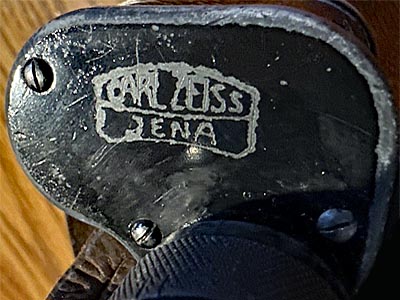
CZ 6x24 1917-07 755744 Switzerland 00
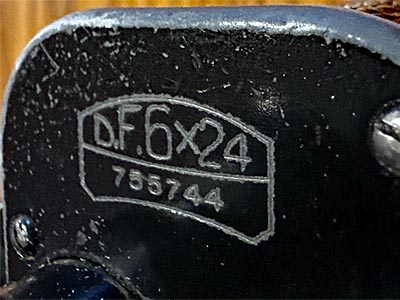
CZ 6x24 1917-07 755744 Switzerland 01
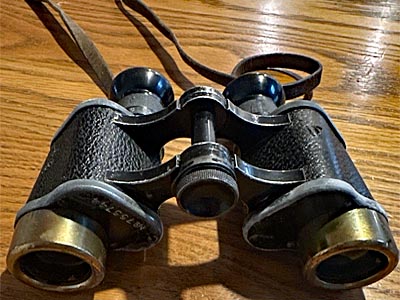
CZ 6x24 1917-07 755744 Switzerland 02
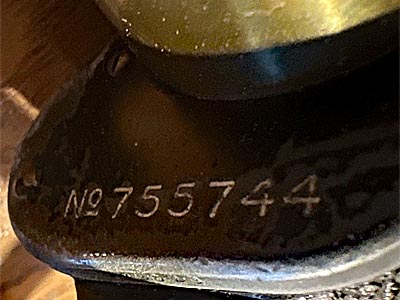
CZ 6x24 1917-07 755744 Switzerland 03
|
|
CP : 21375 4074
mfg. about 19xx
|
|
|
Outside of black Bakelit (Bakelite) handle marked with round “C. PLATH / “Sonnenschiesser” / Hamburg” logo, and inside of handle marked “IRS” and horizontal oval surrounding “9366” and round “Ai / m / S” Bakelit composition logo. |
|
|
|
|
|
|
|
|
|
|
|
|
|
|
|
|
|
|
|
|
|
|
|
|
|
|
|
|
|
|
|
|
|
|
|
|
|
|
|
|
|
|
|
|
|
|
|
|
|
serial number
21453
unit number 5992 |
|
| German Kriegsmarine sextant s/n “21453”, unit number “5992” : Index arm marked with “Reichsadler” (Eagle) over script “M” (Marine, Navy) over “5992” over “C. Plath” over “Hamburg”. Left end of numbered arc marked “D.S.” (Deutsche Seewarte), German Hydrographic Office, similar to the U.S. Naval Observatory, and C. Plath Sonnenschiesser (“Sun Shooter”) stick man logo. Right end of numbered arc marked with serial number “21453” of about November 1942. Deutsche Seewarte Certificate, dated 10.11.1942, Nr. 8115, Buch (book) 43, Seite (page) 2040″ of Trommel-Sextant von C. Plath, Hamburg Nr. 21453, Eingliefert (delivered) am 10.11.1942, Geprüft (tested) am 10.11.1942. |
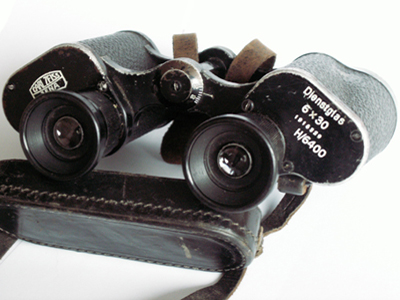
Carl Zeiss / Jena 6x30 1918329
Carl Zeiss / Jena 6x30 1918329
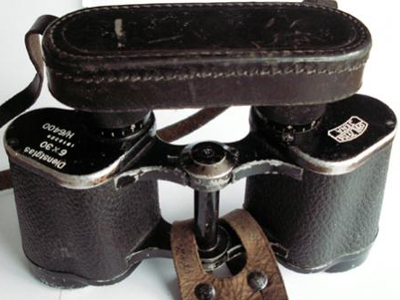
Carl Zeiss / Jena 6x30 1918329
Carl Zeiss / Jena 6x30 1918329
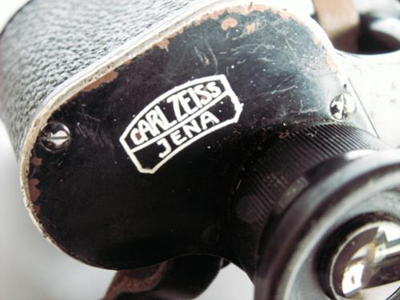
Carl Zeiss / Jena 6x30 1918329
Carl Zeiss / Jena 6x30 1918329
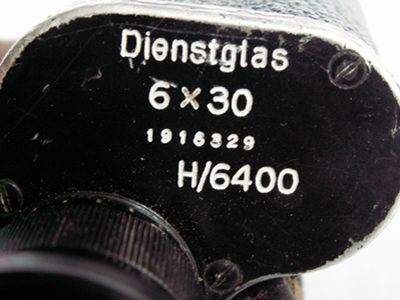
Carl Zeiss / Jena 6x30 1918329
Carl Zeiss / Jena 6x30 1918329

Carl Zeiss / Jena 6x30 1918329
Carl Zeiss / Jena 6x30 1918329

Carl Zeiss / Jena 6x30 1918329
Carl Zeiss / Jena 6x30 1918329
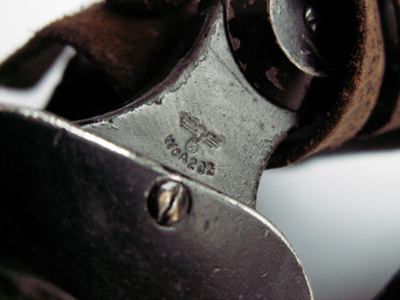
Carl Zeiss / Jena 6x30 1918329
Carl Zeiss / Jena 6x30 1918329
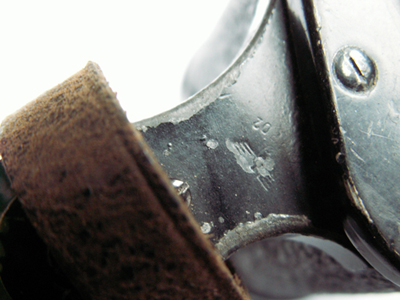
Carl Zeiss / Jena 6x30 1918329
Carl Zeiss / Jena 6x30 1918329
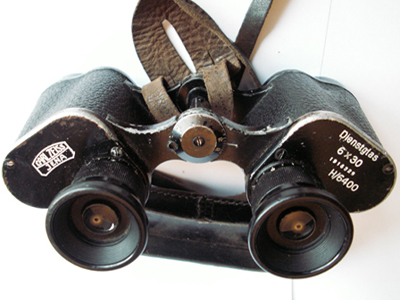
Carl Zeiss / Jena 6x30 1918329
Carl Zeiss / Jena 6x30 1918329
|
|
CP : 21453 5992
mfg. about
November 1942
|
|
|
Outside of black Bakelit (Bakelite) handle marked with round “C. PLATH / “Sonnenschiesser” / Hamburg” logo, and inside of handle marked “IRS” and horizontal oval surrounding “9366” and round “Ai / m / S” Bakelit composition logo. |
|
|
|
|
|
|
|
|
|
|
|
|
|
serial number
21559
unit number 3369 |
|
| German Kriegsmarine Trommel (sextant) s/n “21559”, unit number “3369” : Index arm marked with “Reichsadler” (Eagle) over script “M” (Marine, Navy) over “3369” over “C. Plath” over “Hamburg”. Left end of numbered arc marked with C. Plath Sonnenschiesser (“Sun Shooter”) stick man logo. There is no “D.S.” mark, indicating Deutsche Seewarte, the German Hydrographic Office, similar to the U.S. Naval Observatory. Right end of numbered arc marked with serial number “21559” of about November 1942. Deutsche Seewarte Certificate, dated 28.11.1942, Nr. 8262, Buch (book) 43, Seite (page) 2184″ of Trommel-Sextant von C. Plath, Hamburg Nr. 21559, Eingliefert (delivered) am 27.11.1942, Geprüft (tested) am 27.11.1942. |

CZ-6x30-Silvamar-1942-00-217xxxx-Nr1115-01

CZ-6x30-Silvamar-1942-00-217xxxx-Nr1115-02

CZ-6x30-Silvamar-1942-00-217xxxx-Nr1115-02a

CZ-6x30-Silvamar-1942-00-217xxxx-Nr1115-02b

CZ-6x30-Silvamar-1942-00-217xxxx-Nr1115-03

CZ-6x30-Silvamar-1942-00-217xxxx-Nr1115-04

CZ-6x30-Silvamar-1942-00-217xxxx-Nr1115-05

CZ-6x30-Silvamar-1942-00-217xxxx-Nr1115-05a

CZ-6x30-Silvamar-1942-00-217xxxx-Nr1115-05b

CZ-6x30-Silvamar-1942-00-217xxxx-Nr1115-06

CZ-6x30-Silvamar-1942-00-217xxxx-Nr1115-07
|
|
CP : 21559 3369
mfg. about November 1942
|
|
|
Outside of black Bakelit (Bakelite) handle marked with round “C. PLATH / “Sonnenschiesser” / Hamburg” logo, and inside of handle marked “IRS” and horizontal oval surrounding “9366” and round “Ai / m / S” Bakelit composition logo. |
|
|
|
|
|
|
|
|
|
|
|
|
|
|
|
|
|
|
|
|
|
|
|
|
|
|
|
|
|
|
|
|
|
|
|
|
|
|
|
|
|
|
|
|
|
|
|
|
|
|
|
|
|
serial number
22969
unit number 7382 |
|
| German Kriegsmarine Trommel (sextant) s/n “22969”, unit number “7382” : Index arm marked with “Reichsadler” (Eagle) over script “M” (Marine, Navy) over “7382” over “C. Plath” over “Hamburg”. Left end of numbered arc marked “D.S.” (Deutsche Seewarte), German Hydrographic Office, similar to the U.S. Naval Observatory, and C. Plath Sonnenschiesser (“Sun Shooter”) stick man logo. Right end of numbered arc marked with serial number “22969” of about 19xx Deutsche Seewarte certificate not present. |
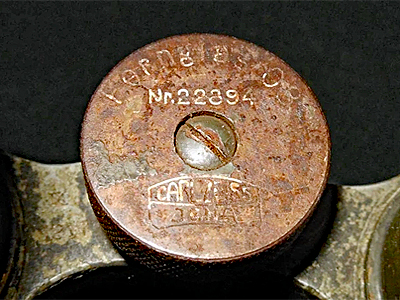
CZ 6x39 Fernglas 08 Nr.22394 1917-04 01
CZ 6x39 Fernglas 08 Nr.22394 1917-04 02
CZ 6x39 Fernglas 08 Nr.22394 1917-04 03
CZ 6x39 Fernglas 08 Nr.22394 1917-04 04
CZ 6x39 Fernglas 08 Nr.22394 1917-04 05
CZ 6x39 Fernglas 08 Nr.22394 1917-04 06
CZ 6x39 Fernglas 08 Nr.22394 1917-04 07
CZ 6x39 Fernglas 08 Nr.22394 1917-04 08

CZ 6x39 Fernglas 08 Nr.22394 1917-04 09
CZ 6x39 Fernglas 08 Nr.22394 1917-04 10
CZ 6x39 Fernglas 08 Nr.22394 1917-04 11
|
|
CP : 22969 7382
mfg. about 19xx
|
|
|
Outside of black Bakelit (Bakelite) handle marked with round “C. PLATH / “Sonnenschiesser” / Hamburg” logo, and inside of handle marked “IRS” and horizontal oval surrounding “9366” and round “Ai / m / S” Bakelit composition logo. |
|
|
|
|
|
|
|
|
|
|
|
|
|
|
|
|
|
|
|
|
|
|
|
|
|
|
|
|
|
|
|
|
|
|
|
|
|
|
|
|
|
|
|
|
|
serial number
25294
unit number 9847 |
|
| German Kriegsmarine Trommel (sextant) s/n “25294”, unit number “9847” : Index arm marked with “Reichsadler” (Eagle), scratched out and defaced, over script “M” (Marine, Navy), also scratched out and defaced, over “9847”. Left end of numbered arc marked “D.S.” (Deutsche Seewarte), German Hydrographic Office, similar to the U.S. Naval Observatory, and C. Plath Sonnenschiesser (“Sun Shooter”) stick man logo and “C. Plath” over “Hamburg”. Right end of numbered arc marked with serial number “25294” of about July 1944. Deutsche Seewarte Certificate, dated 10.7.1944, Buch (book) 1, Seite (page) 2624″ of Trommel-Sextant von C. Plath, Hamburg Nr. 25294, Eingliefert (delivered) am 10.7.1944, Geprüft (tested) am 10.7.1944. |

H&R-6x30-241-01-400300
Hertel & Reuss 6x30 241

H&R-6x30-241-02-400300
Hertel & Reuss 6x30 241

H&R-6x30-241-03-400300
Hertel & Reuss 6x30 241

H&R-6x30-241-05-400300
Hertel & Reuss 6x30 241

H&R-6x30-241-06-400300
Hertel & Reuss 6x30 241

H&R-6x30-241-04-400300
Hertel & Reuss 6x30 241

H&R-6x30-241-10-400300
Hertel & Reuss 6x30 241

H&R-6x30-241-11-400300
Hertel & Reuss 6x30 241

H&R-6x30-241-13-400300
Hertel & Reuss 6x30 241

H&R-6x30-241-12-400300
Hertel & Reuss 6x30 241
|
|
CP : 25294 9847
mfg. about July 1944
|
|
|
|
|
|
|
|
|
|
|
|
|
|
|
|
|
|
|
|
|
|
|
|
|
|
|
|
|
|
|
|
|
|
|
|
|
|
|
|
|
|
|
|
|
|
|
|
|
|
|
|
|
|
|
|
|
|
|
|
|
|
|
|
|
|
|
|
|
serial number
27977
|
|
| German Marine Trommel (sextant) s/n “27977” : Index arm unmarked. Left end of numbered arc marked with C. Plath Sonnenschiesser (“Sun Shooter”) stick man logo and “C. PLATH / HAMBURG”. Right end of numbered arc marked with serial number “27977” of 19xx. Deutsche Seewarte certificate not present. U.S. Customs Form No. 550839, dated “8/29/47”. |

CP-GOERZ-8x30-1913-557-01

CP-GOERZ-8x30-1913-557-02

CP-GOERZ-8x30-1913-557-03

CP-GOERZ-8x30-1913-557-04

CP-GOERZ-8x30-1913-557-05

CP-GOERZ-8x30-1913-557-06

CP-GOERZ-8x30-1913-557-07

CP-GOERZ-8x30-1913-557-08

CP-GOERZ-8x30-1913-557-09
|
|
CP : 27977 mfg. before August 1947
|
|
|
|
|
|
|
|
|
|
|
|
|
|
|
|
|
|
|
|
|
|
|
|
|
|
|
|
|
|
|
|
|
|
|
|
|
|
|
|
|
|
|
|
|
|
|
|
|
|
|
|
|
|
|
|
|
|
|
|
|
|
|
|
|
|
|
|
|
|
|
|
|
|
|
|
|
|
|
|
|
|
|
|
|
| s/n 346100 |
|
| U.D.F. s/n 346100 : U-boat conning tower fire control surface targeting binoculars : blc (Carl Zeiss / Jena) 7×50, light gray enamel painted bronze, hinged flip up rubber lens fittings, hinged, flip up bronze sights on right lens barrel, left prism cover marked “U.D.F. 7×50” over “346100” over “blc”, right prism cover blank |

UDF-blc-7x50-346100-06-400300
UDF blc 7x50 346100

UDF-blc-7x50-346100-08-400300
UDF blc 7x50 346100
UDF-blc-7x50-346100-23-400300
UDF blc 7x50 346100

UDF-blc-7x50-346100-29-400300
UDF blc 7x50 346100
UDF-blc-7x50-346100-14-400300
UDF blc 7x50 346100

UDF-blc-7x50-346100-07-400300
UDF blc 7x50 346100
UDF-blc-7x50-346100-15-400300
UDF blc 7x50 346100
|
|
blc : 346100
mfg. about 19xx
|
|
|
|
|
|
|
|
|
|
|
|
|
|
|
|
|
|
|
|
|
|
|
|
|
|
|
|
|
| s/n 346126 |
|
| U.D.F. s/n 346126 : U-boat conning tower fire control surface targeting binoculars : blc (Carl Zeiss / Jena) 7×50, originally dark sea blue enamel painted bronze, now unpainted bronze, hinged flip up rubber lens fittings, hinged, flip up bronze sights on right lens barrel, left prism cover marked “U.D.F. 7×50” over “346126” over “blc”, right prism cover blank |
UDF-blc-7x50-346126-01-400300
UDF blc 7x50 346126
UDF-blc-7x50-346126-07-400300
UDF blc 7x50 346126
UDF-blc-7x50-346126-08-400300
UDF blc 7x50 346126

UDF-blc-7x50-346126-04-400300
UDF blc 7x50 346126

UDF-blc-7x50-346126-03-400300
UDF blc 7x50 346126
UDF-blc-7x50-346126-06-400300
UDF blc 7x50 346126

UDF-blc-7x50-346126-05-400300
UDF blc 7x50 346126

UDF-blc-7x50-346126-02-400300
UDF blc 7x50 346126
|
|
blc : 346126
mfg. about 19xx
|
|
|
|
|
|
|
|
|
|
|
|
|
|
|
|
|
|
|
|
|
|
|
|
|
|
|
|
|
|
|
|
|
|
|
|
|
| s/n 346215 |
|
| U.D.F. s/n 346215 : U-boat conning tower fire control surface targeting binoculars : blc (Carl Zeiss / Jena) 7×50, light gray enamel painted bronze, hinged flip up rubber lens fittings, hinged, flip up bronze sights on right lens barrel, left prism cover marked “U.D.F. 7×50” over “346215” over “blc”, right prism cover blank |

UDF-blc-7x50-346215-01-400300
UDF blc 7x50 346215

UDF-blc-7x50-346215-02-400300
UDF blc 7x50 346215

UDF-blc-7x50-346215-03-400300
UDF blc 7x50 346215

UDF-blc-7x50-346215-04-400300
UDF blc 7x50 346215

UDF-blc-7x50-346215-06-400300
UDF blc 7x50 346215

UDF-blc-7x50-346215-07-400300
UDF blc 7x50 346215

UDF-blc-7x50-346215-05-400300
UDF blc 7x50 346215
|
|
346215 |
|
|
|
|
|
|
|
|
|
|
|
|
|
|
|
|
|
|
|
|
|
|
|
|
|
|
|
|
|
|
|
|
|
|
|
|
|
|
|
|
|
|
|
|
|
|
|
|
|
|
|
|
|
|
|
|
|
|
|
|
|
|
|
|
|
|
|
|
| U-310s/n unknown
unit number 2143 |
|
| U-310 — U.D.F. s/n unknown – unit number 2143 : U-boat conning tower fire control surface targeting binoculars : blc (Carl Zeiss / Jena) 7×50, dark sea blue enamel painted bronze, hinged flip up rubber lens fittings, left prism cover marked “T” (Transparentenbelag — coated lenses), over “blc” over “M” (Marine – Navy) and Reichsadler over “IV/1” (“IV/1” is the code of the Navy inspector at the Zeiss factory in Jena), right prism cover marked “U.D.F. 7×50” over “2143” |

blc-7x50-UDF2143-01-400300
blc-UDF-7x50-2143

blc-7x50-UDF2143-02-400300
blc-UDF-7x50-2143

blc-7x50-UDF2143-03-400300
blc-UDF-7x50-2143

blc-7x50-UDF2143-04-400300
blc-UDF-7x50-2143

blc-7x50-UDF2143-05-400300
blc-UDF-7x50-2143

blc-7x50-UDF2143-06-400300
blc-UDF-7x50-2143

blc-7x50-UDF2143-07-400300
blc-UDF-7x50-2143

blc-7x50-UDF2143-08-400300
blc-UDF-7x50-2143

blc-7x50-UDF2143-09-400300
blc-UDF-7x50-2143

blc-7x50-UDF2143-10-400300
blc-UDF-7x50-2143

blc-7x50-UDF2143-11-400300
blc-UDF-7x50-2143
|
|
blc : s/n unknown
mfg. about 19xx
|
|
|
|
|
|
|
|
|
|
|
|
|
|
|
|
|
|
|
|
|
| U-534s/n unknown
unit number 1554 |
|
| U-534 — U.D.F. s/n unknown – unit number 1554 : U-boat conning tower fire control surface targeting binoculars : blc (Carl Zeiss / Jena) 7×50, dark sea blue enamel painted bronze, now washed away (after the U-boat was sunk May 5, 1945, and salvaged nearly 41 years later August 23, 1993), hinged flip up rubber lens fittings, left prism cover marked “T” (Transparentenbelag — coated lenses), over “blc” over “M” (Marine – Navy) and Reichsadler over “IV/1” (“IV/1” is the code of the Navy inspector at the Zeiss factory in Jena), right prism cover marked “U.D.F. 7×50” over “1554” |

blc-7x50-UDF-1554-01-400300
U-534-UZO-Unterwasserzieloptik

blc-7x50-UDF-1554-03-400300
U-534-UZO-Unterwasserzieloptik

blc-7x50-UDF-1554-04-400300
U-534-UZO-Unterwasserzieloptik

blc-7x50-UDF-1554-05-400300
U-534-UZO-Unterwasserzieloptik

blc-7x50-UDF-1554-06-400300
U-534-UZO-Unterwasserzieloptik
|
|
blc : s/n unknown
mfg. about 19xx |
|
|
|
|
|
|
|
|
|
|
|
|
|
|
|
|
|
|
|
|
|
|
|
|
|
|
|
|
|
|
|
|
|
|
|
|
|
|
|
|
|
|
|
|
|
|
|
|
|
|
|
|
|
|
|
|
|
|
|
|
Faking it. Is it a genuine C. Plath or is it a replica USSR SNO-M?

Figure 01 – Comparison of aluminum frame back of genuine CARL PLATH / HAMBURG Kriegsmarine Sextant vs. Russian SNO-M replica sextant
In my post for October 2008, I wrote about the USSR SNO-M sextant and gave my opinion that it was identical to the aluminum alloy-framed C. Plath sextant of WW II.
This was based on examination of photographs of putative WW II C. Plath sextants sold on e-bay, complete with Nazi insignias and Kriegsmarine index numbers.
Serial numbers placed them in 1942 and 1943 and their frames were identical to the much later USSR SNO-M frames, with the same pattern of sprues and risers from the casting process visible on the back of the frames (Figure 01).
I strongly suspect that these so-called C. Plath sextants are forgeries based on changing the obviously different USSR SNO-M index arm and engraving C. Plath logos and numbers on to the ends of the limb, which are conveniently vacant for them.
Now it could be argued that the differences are because the backs of the frames were not finish machined because of pressures of war time production.

Figure 02 – Comparison of aluminum frame back radii of genuine CARL PLATH / HAMBURG Kriegsmarine Sextant vs. Russian SNO-M replica sextant
This will not do, as there are other, more subtle differences, indicated in Figures 01 and 02, which show that even allowing for the traces of the casting process, differendies were used.
The dies used for pressure casting are very expensive to make, but are necessary when casting aluminium that could be expected to produce up to 100,000 units.
During WW II, C. Plath made about 11,000 nautical sextants, so it is not very likely that duplicate dies were made, or that the original die set wore out.
Furthermore, I have been able to examine an indisputably C. Plath sextant, whose serial number falls between those of the two probable fakes, differing by only 289 from one of them.
Its frame is not the same. (April 2013)
Since writing this in July, 2010, I have had the opportunity of examining an indisputably genuine Kriegsmarine sextant from late 1944. The rear of the frame had not been fully machined but other features of the frame casting were as for earlier, genuine, sextants. The official history of C. Plath writes of labor shortages at this time.

03 – Cast into the interior of the genuine C. Plath mirror brackets are part numbers preceded by the initials “C. P.”, while no such numbers will be found inside USSR SNO-M brackets
But it is not just in the frame that there are differences. Cast into the interior of the mirror brackets are part numbers preceded by the initials “C. P.” (Figure 03), while no such numbers will be found inside USSR SNO-M brackets.

04 – The foot of the USSR SNO-M horizon mirror bracket is displaced upward, obviously different than the centered foot of the genuine C. Plath horizon mirror bracket
The foot of the horizon mirror bracket is displaced upwards in the USSR SNO-M (Figure 04). Again, it will not do to argue that extra sets of dies existed, and even if they did, it is difficult to think of a reason why the horizon bracket might have been modified in the middle of a war that was slowly being lost.

05 – The index shades seem to be identical, except that the little brass knobs have a traditional, machined shape in the C. Plath but are simple, plain cylinders in the USSR SNO-M. The horizon shades seem identical, but their mountings are not. Difference are circled.
The index shades seem to be identical, except that the little brass knobs have a traditional shape in the C. Plath and are stark cylinders in the USSR SNO-M. Again the horizon shades seem identical, but their mountings are not. I have circled two points of difference in Figure 05.
The index arm of the C Plath sextant was made in two parts, joined by four screws just above the lower index arm expansion, while that of the SNO-M, which carries the serial number, is a one piece alumium stamping with an integral stiffening rib. Obviously, this must be replaced in a forgery and insignia applied(Figure 5), but there is a more subtle difference. To make the arm in two pieces requires that the upper part must be displaced downwards by the thickness of the metal. Careful examination of the upper end of the index arm will show that in the SNO-M (and the probable fakes) is sandwiched between the index mirror bracket and the disc to which the bearing shaft is attached. In the Plath instrument it is the disc that is sandwiched between the bracket and the index arm (Figure 6).
The limb and the rack of the Plath sextant are both of the same radius, while in the SNO-M, the edge of the limb has been machined away and its radius is about 1 mm less (Figure 7). This is also true of the re-incarnated “Plaths” which also all seem, like the SNO-M, to be quintants reading to 140 degrees . The genuine drum is divided to half minutes, unlike the SNO-M, which is divided only to single minutes.
The handle is less easy to fake. The genuine wartime C. Plath has the C. Plath logo and name moulded into it (Figure 8), whereas the SNO-M has a brass-lined hole by which it is retained in its case by means of a spring latch. Telescopes too are difficult to replicate (though Tamaya may have done so during WW II) and I have found no evidence to suggest that Plath varied the form of the standard star telescope (Figure 9) until after WW II.
Figure 10 shows that the famous C. Plath stick man logo has feet that are too big, has bursitis in the right elbow and shows detail of the index mirror that is not visible in the genuine contemporary logo. The genuine instrument also has the letters “D. S.” stamped next to the logo, showing that it had been examined at Deutches Seewarte, the German Naval Observatory in Hamburg.
Finally, many of the features of the genuine article (as opposed to a re-worked SNO-M, may be seen in Figure 12, which is from the front cover of Die Woche (The Week) from April 1943.