| Carl Zeiss Presence in London
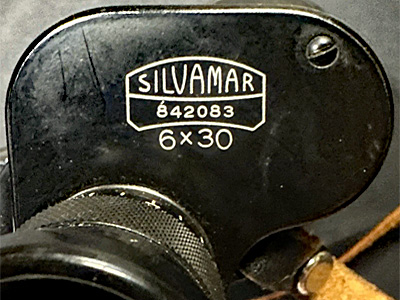
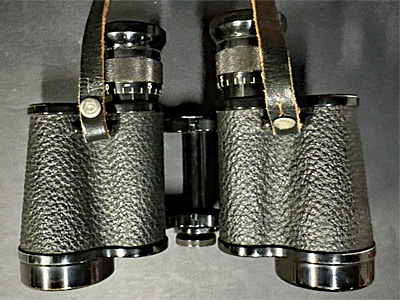
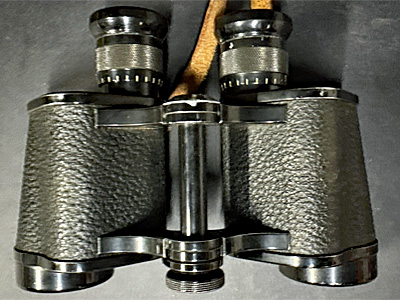
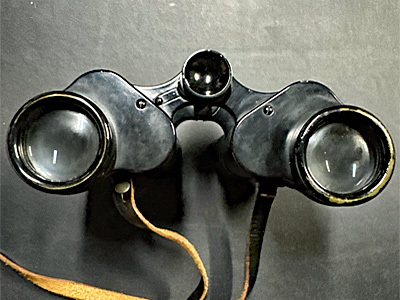
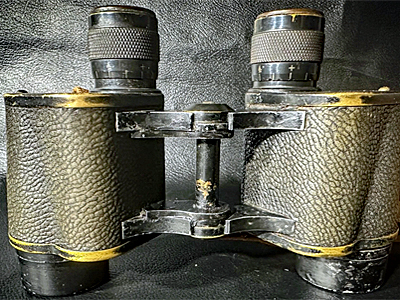
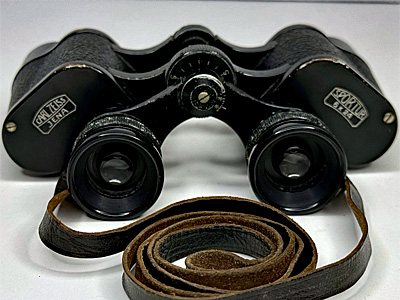
This note briefly documents the presence of Carl Zeiss in London with specific emphasis on the serial numbers used. The presence of Carl Zeiss in London dates back to the 1840’s and predates the introduction of the Feldstecher binoculars in 1894. An 1897 advertisement indicates that the Feldstecher binoculars could be purchased from 29 Margaret Street London West. At that time and for a number of years the presence of Carl Zeiss in London For a variety of reasons it was decided to form a Limited company so as to formalise the presence in Great Britain and this was done on 2 November 1909 with the formation of Carl Zeiss (London) Ltd. The registered office of the company was at Great Castle Street in central London and its Board of Directors comprised primarily The commencement of the First World War on 4 August 1914 brought about not entirely unexpected changes to the running of the company and, as a result of this, the company’s directors were replaced by British individuals. Despite this change the share capital remained registered in the name of Carl Zeiss Jena. In January 1917 a winding up notice was served on the company under the provisions of the Trading with the Enemy Act 1916. Documentation obtained by William Reid from the National Archives at Kew indicates that the business of Carl Zeiss (London) Ltd was sold by the Controller appointed by the Board of Trade to Ross Ltd on 13 June 1917. The purchase included the optical factory at Mill Hill with all the machinery and tools therein. It also included the commercial premises at 13 and 14 Great Castle Street which is adjacent and parallel to Margaret Street where Zeiss had their earliest known commercial address in London. Finally, Ross took over the ministry commercial contracts that Zeiss had been filling for the previous three years. The binocular production at Mill Hill consisted of the 6×24 (Binocular Prismatic No 3 (Mark I or Mark II) and it appears that production was at the rate of about 50-75 per week following the takeover of the factory by Ross Ltd Sales of binoculars to the British military commenced in 1909 with the supply of the Binocular Prismatic No 2 (Mark I or Mark II). This binocular was a 6×30 and was essentially a Silvamar. The marking “Mark I” or “Mark II” on the No 2 and later on the No 3 indicated the absence or the presence, respectively, of a graticule on the right hand side. The No 2 binoculars were marked Binocular, Prismatic (Mark I or Mark II) , Magnification 6, No xxx on the left hand bottom plate and Carl Zeiss Jena 1909 and small broad arrow on the right hand bottom plate. The No xxx signified the Woolwich Arsenal acceptance number. The production serial number was placed on the rim of the lower right hand plate and was stamped into the metal. The other binocular supplied was, as indicated above, a 6×24 and this was essentially a Telex. This was marked Binocular, Prismatic No 3 (either Mark I or Mark II), Magnification 6, No xxx on the left hand side top plate and Carl Zeiss London or, later, Carl Zeiss (London) Ltd on the right hand side top plate. Underneath the name was a year (presumably that of production). The production serial number was now to be found on the rim of the top left hand plate and was again stamped into the metal. In addition to sales of military binoculars a small quantity of civilian binoculars appears to have been made or assembled in London both before and during the war. These comprised almost exclusively of the models Silvamar (6×30) and Telact (8×24). The numbering of the binoculars bearing the name Carl Zeiss London or Carl Zeiss (London) Ltd has and continues to cause confusion and this note attempts to document what is known so far. The Table below lists information extracted from my database of Zeiss numbers and I have listed the serial numbers in chronological sequence. Where a year is given in the Table it is the one appearing on the binocular. It should be borne in mind that both the serial numbers and 4 digit numbers were extremely small and had to be stamped onto a very narrow space on the rim. This explains why some numbers given below may not be quite right. After all it is quite easy for a “6” to be read as an “8”. Where I have doubts about the numbers I have followed them by “???”
The Table highlights a large gap of nearly 2600 Acceptance numbers in the year 1913 (between number 3956 and number 6497) and then another gap between 1913 and 1914 (between number 6740 and number 8908) of nearly 2200 Acceptance numbers. It is of course possible that these numbers were allocated to supplies from other manufacturers. There is, otherwise, a smooth transition of numbers. An interesting observation resulting from the preceding Table is the fact that Acceptance Numbers started once more from “1” sometime in 1916.The reason for this is not known. A note dated March 8, 1919, and written by the production manager (Herr F. Loewen) at Mill Hill after his return to Jena, sheds some light on the use of the “L” prefix. (see Table above). Herr Loewen indicates in his report “Account on the plant London, Mill Hill before and during the war” that the “L” number was used because they had run out of allocated numbers. They also used the “L” prefix so that they would know where the binoculars were made in case they were returned for repair. It can be seen from the Table that prior to the war London was allocated or used serial number batches out of the main sequence of numbers at Jena. This pattern applied to other offices such as Vienna in Austria and Györ in Hungary. The serial number ranges listed above for the pre war years were “shared” with binoculars marked Carl Zeiss Jena with the exception of the ranges 290000 to 291000 and 299000 to 299999. My database of serial numbers contains several examples of “Jena” marked binoculars in the ranges other than these two. I cannot, however, be certain that this was indeed the case. The numbers used during the war years are in the ranges of 405000 to 409000 and 455000 to 462000 for military binoculars and 357000 to 357999 for civilian binoculars. All were prefixed by the letter “L”. An examination of my database shows that the same number ranges were also used on binoculars bearing the Carl Zeiss Jena name. They were effectively used twice. Once in the regular production run in Jena and once in London. The binoculars within the range and with Jena markings include a DF03, Telexem, Turact, Marineglas, Teleater and Turolem. Whether this additional production of 6-8,000 binoculars in London was ever added to the total number of The use of “L” begun in late 1914 whereby there would be a four digit number preceded by an “L” on the rim of the right hand upper plate and a six digit number again preceded by an “L” on the rim of the left hand upper plate. The Table also shows that the London management used the serial numbers that roughly, but not quite, coincided with the beginning of the war and carried on using these in conjunction with the “L” and the additional four digit number. Using annual binocular production information for Jena, the range 405000 to 409000 would have dated from early 1914 whereas the range 455000 to 462000 would have dated from late 1914 and certainly after the war started. It is possible that the choice was an inspired guess as it is very doubtful whether there would have been any It has been established that the four digit “L” numbers run in parallel with the six digit numbers but not always in parallel with the Acceptance number. The note from Herr Loewen thus explains the mystery as to why the London numbers only reached 462,000 or so at the end of the war at a time when the Jena numbers were closer to 1,000,000. A partial reproduction of this note follows below : “Binoculars : When I took over the plant in the middle of April 1914, I found the quality sufficient. In particular the waterproofing was improved. After carrying out the instructions / orders from Jena there were, during the war, other orders from the Government (presumably British) which were carried out and the last numbers given were added on. There was, however, a letter “L” engraved before these numbers in order to track these binoculars if they came back to us (probably meaning back to Germany). The “Tele” office and stock department were informed about this. Shortly before the outbreak of the war we received an order by telephone to export our entire stock of binoculars to Jena. About 800 were sent but they all came back –except the first hundred- after a long time because they were stopped either in English or in Dutch ports. We had rather high expenses. Even the first one hundred do not seem The text then continues with quality problems encountered with Bausch & Lomb binoculars. This note has attempted to bring together the various facts relating to the London office. No doubt it will soon be out of date when new information comes to light. Thomas Antoniades, London, March 12, 2005, revised December 17, 2005 Acknowledgements I am very thankful to my friend William Reid for allowing me to quote material from his article “Zeiss and Ross, London and Mill Hill” which appeared in Volume 23 of the Zeiss Historica Journal (Spring 2001) and for commenting on the finished article. I am also thankful to my friend Thomas Mix who was the inspiration for this article and who kindly provided additional information and translated the note written by F. Loewen.
|
|||||||||||||||||||||||||||||||||||||||||||||||||||||||||||||||||||||||||||||||||||||||||||||||||||||||||||||||||||||||||||||||||||||||||||||||||||||||||||||
| S/N | Identifying Features | ||||||||||||||||||||||||||||||||||||||||||||||||||||||||||||||||||||||||||||||||||||||||||||||||||||||||||||||||||||||||||||||||||||||||||||||||||||||||||||
| Date of Mfg | |||||||||||||||||||||||||||||||||||||||||||||||||||||||||||||||||||||||||||||||||||||||||||||||||||||||||||||||||||||||||||||||||||||||||||||||||||||||||||||
| L457409
L3234 No. 1634 |
|
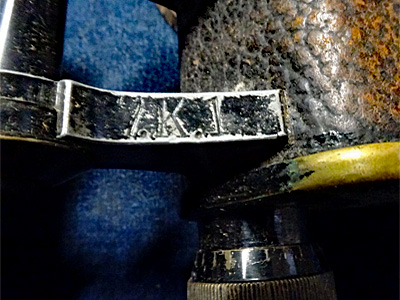
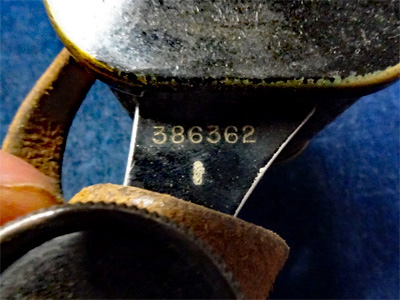
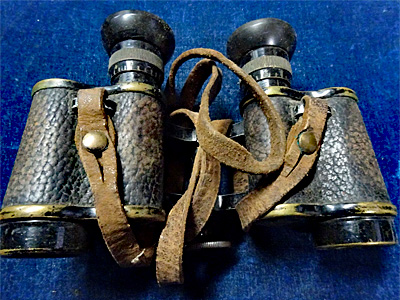
CZL : L457409 L3234 No. 1634 mfg. about 1916
|
|||||||||||||||||||||||||||||||||||||||||||||||||||||||||||||||||||||||||||||||||||||||||||||||||||||||||||||||||||||||||||||||||||||||||||||||||||||||||||
| L457981
L5806 No. 2414 |
|
CZL : L457981 L5806 No. 2414 mfg. about 1916 |
|||||||||||||||||||||||||||||||||||||||||||||||||||||||||||||||||||||||||||||||||||||||||||||||||||||||||||||||||||||||||||||||||||||||||||||||||||||||||||
| L458652
L4377 No. 2985 |
|
CZL : L458652 L4377 No. 2985 mfg. about 1916 |
|||||||||||||||||||||||||||||||||||||||||||||||||||||||||||||||||||||||||||||||||||||||||||||||||||||||||||||||||||||||||||||||||||||||||||||||||||||||||||
| 15403 |
|
CPG-WP : 15403 mfg. about 19xx
|
|||||||||||||||||||||||||||||||||||||||||||||||||||||||||||||||||||||||||||||||||||||||||||||||||||||||||||||||||||||||||||||||||||||||||||||||||||||||||||
| xxxxx |
|
KPG-WP : xxxxx mfg. about 19xx
|
|||||||||||||||||||||||||||||||||||||||||||||||||||||||||||||||||||||||||||||||||||||||||||||||||||||||||||||||||||||||||||||||||||||||||||||||||||||||||||
| 329745 |
|
CZ : 329745 mfg. about January 1913
|
|||||||||||||||||||||||||||||||||||||||||||||||||||||||||||||||||||||||||||||||||||||||||||||||||||||||||||||||||||||||||||||||||||||||||||||||||||||||||||
| 376807 |
|
CZ : 376807 mfg. about November 1913
|
|||||||||||||||||||||||||||||||||||||||||||||||||||||||||||||||||||||||||||||||||||||||||||||||||||||||||||||||||||||||||||||||||||||||||||||||||||||||||||
| 427205 |
|
CZ : 427205 mfg. about August 1914
|
|||||||||||||||||||||||||||||||||||||||||||||||||||||||||||||||||||||||||||||||||||||||||||||||||||||||||||||||||||||||||||||||||||||||||||||||||||||||||||
| xxxxx |
|
CPG-WP : xxxxx mfg. about August 1914
|
|||||||||||||||||||||||||||||||||||||||||||||||||||||||||||||||||||||||||||||||||||||||||||||||||||||||||||||||||||||||||||||||||||||||||||||||||||||||||||
| xxxxx |
|
CPG-WP : xxxxx mfg. about February 1916
|
|||||||||||||||||||||||||||||||||||||||||||||||||||||||||||||||||||||||||||||||||||||||||||||||||||||||||||||||||||||||||||||||||||||||||||||||||||||||||||
| 604729 |
|
CZ : 604729 mfg. about May 1916
|
|||||||||||||||||||||||||||||||||||||||||||||||||||||||||||||||||||||||||||||||||||||||||||||||||||||||||||||||||||||||||||||||||||||||||||||||||||||||||||
| xxxxx |
|
CPG-WP : xxxxx mfg. about January 1916
|
|||||||||||||||||||||||||||||||||||||||||||||||||||||||||||||||||||||||||||||||||||||||||||||||||||||||||||||||||||||||||||||||||||||||||||||||||||||||||||
K. P. Goerz, Bratislava (Pozsony, Preßburg, Slovakiaxxx xxx xxx |
|||||||||||||||||||||||||||||||||||||||||||||||||||||||||||||||||||||||||||||||||||||||||||||||||||||||||||||||||||||||||||||||||||||||||||||||||||||||||||||
| S/N | Identifying Features | Date of Mfg | |||||||||||||||||||||||||||||||||||||||||||||||||||||||||||||||||||||||||||||||||||||||||||||||||||||||||||||||||||||||||||||||||||||||||||||||||||||||||||
| xxxxx |
|
KPG-B : xxxxx mfg. 19xx
|
|||||||||||||||||||||||||||||||||||||||||||||||||||||||||||||||||||||||||||||||||||||||||||||||||||||||||||||||||||||||||||||||||||||||||||||||||||||||||||
| xxxxx |
|
KPG-B : xxxxx mfg. 19xx
|
|||||||||||||||||||||||||||||||||||||||||||||||||||||||||||||||||||||||||||||||||||||||||||||||||||||||||||||||||||||||||||||||||||||||||||||||||||||||||||
| 13223
7390 |
|
KPG-B : 13223-7390 mfg. 19xx
|
|||||||||||||||||||||||||||||||||||||||||||||||||||||||||||||||||||||||||||||||||||||||||||||||||||||||||||||||||||||||||||||||||||||||||||||||||||||||||||
| The Czech Republic military property number is “13223”, and the Goerz factory serial number is “7390”.
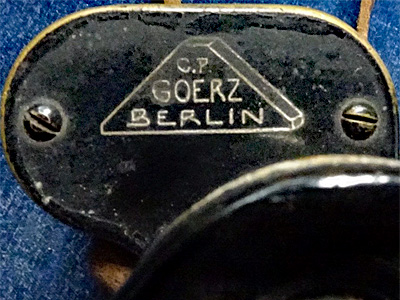
You’re correct that K.P. Goerz Bratislava binoculars were used by Finland during WW II, but usually WW II Finnish binoculars were marked SA = Suomen Armeija (Finnish Army) and/or PVT = Puolustusvoimien Teollisuus (Ministry of Defence). Since there are no Finnish or other military markings on your binocular I doubt it was a military issue. I think your binocular could have been made during the 1930’s, WW II or the immediate post-war years. K.P. Goerz Bratislava is sort of a mysterious company and I don’t know what, if any, connection it had to the famous C.P.Goerz Berlin which was taken over by Zeiss in 1926 but continued to manufacture some binoculars in Wien (Vienna) under Zeiss auspices through WW II. I believe there may be some association because both companies used identically stylized prisms as trademarks. 7390 is the manufacturer’s serial number and the marking is a stylized CG. This marking and placement of serial number is present on many of the binoculars made by C.P.Goerz Berlin which as noted before was taken over by Zeiss in 1926. These markings strongly suggest a relationship between the K. P. Goerz Bratislava company and the defunct C.P. one of Berlin. A previous photograph of the right plate showed the number 13223 which I doubt is the manufacturer’s serial number and could be a secondary military serial/inventory number. In the photograph there is a marking before 13223 which is not entirely visible but which if not a number may indicate type of military issue. What is the marking? |
|||||||||||||||||||||||||||||||||||||||||||||||||||||||||||||||||||||||||||||||||||||||||||||||||||||||||||||||||||||||||||||||||||||||||||||||||||||||||||||
| 15924
8072 |
|
KPG-B : 15924-8072 mfg. 19xx
|
|||||||||||||||||||||||||||||||||||||||||||||||||||||||||||||||||||||||||||||||||||||||||||||||||||||||||||||||||||||||||||||||||||||||||||||||||||||||||||
| The Czech Republic military property number is “15924”, and the Goerz factory serial number is “8072”. | |||||||||||||||||||||||||||||||||||||||||||||||||||||||||||||||||||||||||||||||||||||||||||||||||||||||||||||||||||||||||||||||||||||||||||||||||||||||||||||
| 16116 |
|
KPG-B : 16116 mfg. 19x
|
|||||||||||||||||||||||||||||||||||||||||||||||||||||||||||||||||||||||||||||||||||||||||||||||||||||||||||||||||||||||||||||||||||||||||||||||||||||||||||
| 42631 |
|
KPG-B : 42631 mfg. about 19xx
|
|||||||||||||||||||||||||||||||||||||||||||||||||||||||||||||||||||||||||||||||||||||||||||||||||||||||||||||||||||||||||||||||||||||||||||||||||||||||||||
| 53227 |
|
KPG-B : 53227 mfg. 19xx
|
|||||||||||||||||||||||||||||||||||||||||||||||||||||||||||||||||||||||||||||||||||||||||||||||||||||||||||||||||||||||||||||||||||||||||||||||||||||||||||
| 6×30 Army Telescope for Export with German Signs
Manufacturer: KP Goerz Bratislava Note Personal note This is officially on the field peephole vz.9 / 13, the Czechoslovak army. Comes from RU, as shown from the above pattern. Snake and seven-degree crosshair reticle. The appearance of the cross and the watch taken from the Vademecum for aspirants and reserve officers and grips for machine gun units and cavalry .. So this binocular was made after RU. That is, before 1919. I have seen several binoculars from this company, the same with other approaches with RU scouts URL: http://en.valka.cz/topic/view/79493#369247 Version: 0
What was it made for RU? URL: http://en.valka.cz/topic/view/79493#369268 Version: 0
Feldstecher is a Field Telescope. That means he was made for the army. Czechs did not use German. I guess I formulated it wrong. In this embodiment, with the same logo and markings, it was already produced for RU. For the Czechoslovakia the name of the field watch was used. I assume that even from SL. If it was made for Germany, there would be dienst glass. URL: http://en.valka.cz/topic/view/79493#369276 Version: 0
This is not entirely realistic, the use of older parts was also in the Czechoslovakia, so even German could have been because the sidewall had it just from the time of the RU but the binoculars could be made later. It would probably be a serial number only, but if I know about the Bratislava Branch they are not known (maybe my Meopta is there). Even the Czech Army had a number of things with the original designation, but here I think I miss any picking marks, which is somewhat atypical in the Army case most armies signify things) and that there is the inscription ArmeeFeldstecher, it may just be just a type designation and the thing can be civil (even today many things are referred to as “army” “paratroopers” and likewise never been in the army) that origin is difficult to determine (even if it is army) has led me to the question of what. Theoretically, the PSM brand (perhaps a production check?) And perhaps SA, could also be said, similar inscriptions appear on Finnish army kits (Suomen as Finland and A is an army), but if this is definitely not the case. The numbering for Berlin production is known, but unfortunately Bratislava had as far as I know its own. I really do not believe in the creation before the end of 1918, that is even Bratislava was a part of Uher and it was Prešpurk, so the thing is definitely from the period of the Czechoslovak Republic, why is there a German inscription, of course, a question, it can be a marketing move, because it was a German company (the Berlin plant in Berlin), maybe just removed parts from elsewhere … But before the end of 1918 it was definitely not made, that would be the name of the city either Hungarian or German. similar inscriptions appear on Finnish army equipment (Suomen as Finland and A is an army) but if this is the case, I’m definitely not sure. The numbering for Berlin production is known, but unfortunately Bratislava had as far as I know its own. I really do not believe in the creation before the end of 1918, that is even Bratislava was a part of Uher and it was Prešpurk, so the thing is definitely from the period of the Czechoslovak Republic, why is there a German inscription, of course, a question, it can be a marketing move, because it was a German company (the Berlin plant in Berlin), maybe just removed parts from elsewhere … But before the end of 1918 it was definitely not made, that would be the name of the city either Hungarian or German. similar inscriptions appear on Finnish army equipment (Suomen as Finland and A is an army) but if this is the case, I’m definitely not sure. The numbering for Berlin production is known, but unfortunately Bratislava had as far as I know its own. I really do not believe in the creation before the end of 1918, that is even Bratislava was a part of Uher and it was Prešpurk, so the thing is definitely from the period of the Czechoslovak Republic, why is there a German inscription, of course, a question, it can be a marketing move, because it was a German company (the Berlin plant in Berlin), maybe just removed parts from elsewhere … But before the end of 1918 it was definitely not made, that would be the name of the city either Hungarian or German. but unfortunately Bratislava had as far as I know my own. I really do not believe in the creation before the end of 1918, that is even Bratislava was a part of Uher and it was Prešpurk, so the thing is definitely from the period of the Czechoslovak Republic, why is there a German inscription, of course, a question, it can be a marketing move, because it was a German company (the Berlin plant in Berlin), maybe just removed parts from elsewhere … But before the end of 1918 it was definitely not made, that would be the name of the city either Hungarian or German. but unfortunately Bratislava had as far as I know my own. I really do not believe in the creation before the end of 1918, that is even Bratislava was a part of Uher and it was Prešpurk, so the thing is definitely from the period of the Czechoslovak Republic, why is there a German inscription, of course, a question, it can be a marketing move, because it was a German company (the Berlin plant in Berlin), maybe just removed parts from elsewhere … But before the end of 1918 it was definitely not made, that would be the name of the city either Hungarian or German. URL: http://en.valka.cz/topic/view/79493#369279 Version: 0
So now I’m sorry, Bratislava got me. I did not realize that.
As far as I know, my friend from Bratislava has Goerz Poszony. He’s interested in binoculars, but he’s on vacation now. So when he comes back, he’ll know. I have Feldstecher from Carl Zeiss Wien. URL: http://en.valka.cz/topic/view/79493#369282 Version: 0
Trying over a friend to find out if the numbering is not presumed, it would be the most difficult. even if he knows why there is a German description on the binoculars after 1918, there may be plenty of reasons, but it would be just speculation URL: http://en.valka.cz/topic/view/79493#369288 Version: 0Trying over a friend to find out if the numbering is not presumed, it would be the most difficult. even if he knows why there is a German description on the binoculars after 1918, there may be plenty of reasons, but it would be just speculation URL: http://en.valka.cz/topic/view/79493#369288 Version: 0
|
|||||||||||||||||||||||||||||||||||||||||||||||||||||||||||||||||||||||||||||||||||||||||||||||||||||||||||||||||||||||||||||||||||||||||||||||||||||||||||||
| 57412 |
|
KPG-B : 57412 mfg. 19xx
|
|||||||||||||||||||||||||||||||||||||||||||||||||||||||||||||||||||||||||||||||||||||||||||||||||||||||||||||||||||||||||||||||||||||||||||||||||||||||||||
| CZECH MILITARY GLASS, KP GOERZ BRATISLAVA, POLNI KUKATKO 6×30 WITH PLATE AND MILITARY ACTION! with straps! The military binocular comes from the former Czechoslovakia . The state from Czechoslovakia and Slovakia with the capital Bratislava was founded in 1918. KP Goerz Bratislava was an independent optical company which was not run as Goerz branch. The uniform logo of Goerz, but with the inscription Bratislava. The characteristic is 6×30. 6x magnification with 30mm lenses. Polni Kukatko VZ9 / 13. The serial number is 57412. Czech military withdrawal from 1936 with first coat of arms. Width = 16.5 cm, height = 11.5 cm, weight = 600 g. | |||||||||||||||||||||||||||||||||||||||||||||||||||||||||||||||||||||||||||||||||||||||||||||||||||||||||||||||||||||||||||||||||||||||||||||||||||||||||||||
| 58323 |
|
KPG-B : 58323 mfg. 1936
|
|||||||||||||||||||||||||||||||||||||||||||||||||||||||||||||||||||||||||||||||||||||||||||||||||||||||||||||||||||||||||||||||||||||||||||||||||||||||||||
| 80882
3904 |
|
KPG-B : 80882-3904 mfg. 19xx
|
|||||||||||||||||||||||||||||||||||||||||||||||||||||||||||||||||||||||||||||||||||||||||||||||||||||||||||||||||||||||||||||||||||||||||||||||||||||||||||
| The Czech Republic military property number is “80882”, and the Goerz factory serial number is “3904”. | |||||||||||||||||||||||||||||||||||||||||||||||||||||||||||||||||||||||||||||||||||||||||||||||||||||||||||||||||||||||||||||||||||||||||||||||||||||||||||||
| 612031
4083 |
|
KPG-B : 612031-4083 mfg. 19xx
|
|||||||||||||||||||||||||||||||||||||||||||||||||||||||||||||||||||||||||||||||||||||||||||||||||||||||||||||||||||||||||||||||||||||||||||||||||||||||||||
| The Czech Republic military property number is “612031”, and the Goerz factory serial number is “4803”.
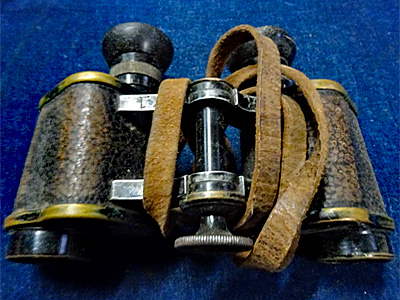
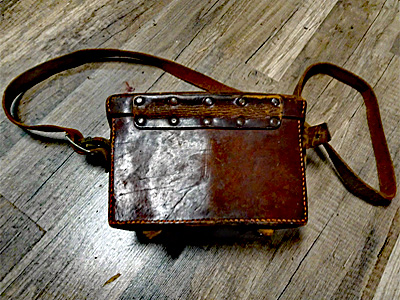
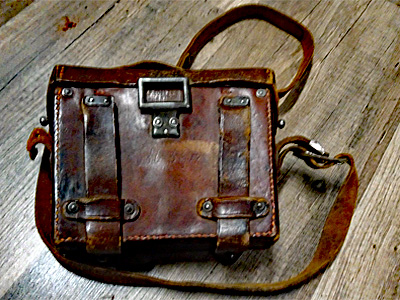
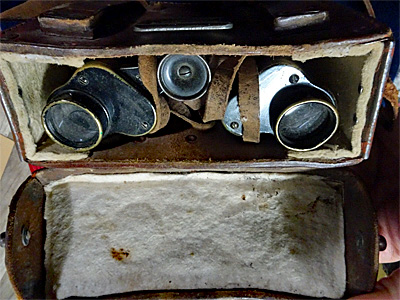
CZECH MILITARY GLASS, KP GOERZ BRATISLAVA, POLNI KUKATKO 6×30 with original military quiver with strap! Goerz is one of the most well-known optical companies worldwide and was one of the most important suppliers for the military in WK I and WKII. The military binocular comes from the former Czechoslovakia . The state from Czechoslovakia and Slovakia with the capital Bratislava was founded in 1918. Goerz Bratislava was an independent optics company with the uniform Goerz logo but external serial number range. The uniform Goerz logo in the prism triangle, but with the inscription KP Goerz Bratislava. The characteristic is 6×30. 6x magnification with 30mm lenses. Polni Kukatko literally translates to field peephole and is the translation of binoculars. The serial number is 4083. The production is probably in the 20’s. Underneath is the short logo of Goerz. Width = 16.5 cm, height = 12 cm, weight = 620 g. |
|||||||||||||||||||||||||||||||||||||||||||||||||||||||||||||||||||||||||||||||||||||||||||||||||||||||||||||||||||||||||||||||||||||||||||||||||||||||||||||
| 18176 |
|
SK : 18176 mfg.1939
|
|||||||||||||||||||||||||||||||||||||||||||||||||||||||||||||||||||||||||||||||||||||||||||||||||||||||||||||||||||||||||||||||||||||||||||||||||||||||||||
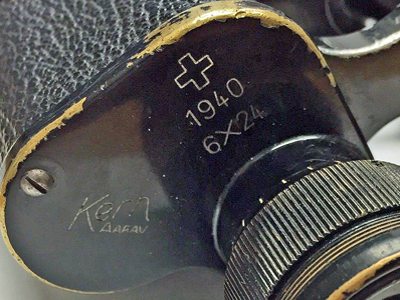
| 23105 |
|
SK : 23105 mfg.1940
|
|||||||||||||||||||||||||||||||||||||||||||||||||||||||||||||||||||||||||||||||||||||||||||||||||||||||||||||||||||||||||||||||||||||||||||||||||||||||||||
| SK : 23105 Mfg. about 1940
|
|||||||||||||||||||||||||||||||||||||||||||||||||||||||||||||||||||||||||||||||||||||||||||||||||||||||||||||||||||||||||||||||||||||||||||||||||||||||||||||
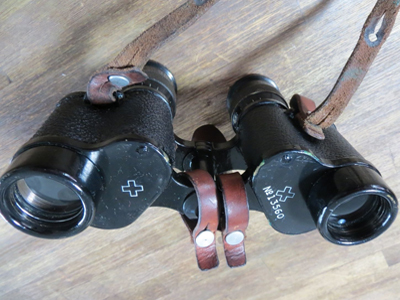
| 13560 |
|
SK : 13560 mfg.1934
|
|||||||||||||||||||||||||||||||||||||||||||||||||||||||||||||||||||||||||||||||||||||||||||||||||||||||||||||||||||||||||||||||||||||||||||||||||||||||||||
| 13560 |
|
SK : 13560 mfg.1934
|
|||||||||||||||||||||||||||||||||||||||||||||||||||||||||||||||||||||||||||||||||||||||||||||||||||||||||||||||||||||||||||||||||||||||||||||||||||||||||||
| 4583 |
|
SK : 4583 mfg.1945
|
|||||||||||||||||||||||||||||||||||||||||||||||||||||||||||||||||||||||||||||||||||||||||||||||||||||||||||||||||||||||||||||||||||||||||||||||||||||||||||
| 39015 |
|
SK : 39015 mfg.19xx
|
|||||||||||||||||||||||||||||||||||||||||||||||||||||||||||||||||||||||||||||||||||||||||||||||||||||||||||||||||||||||||||||||||||||||||||||||||||||||||||
 Military and Naval Binoculars