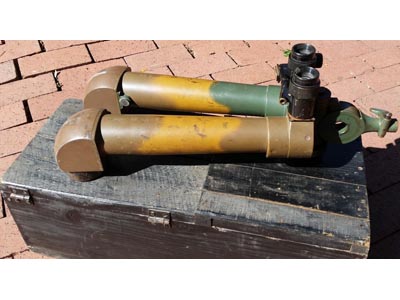
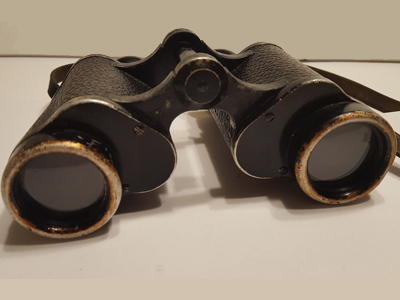
41 – Magyar Optikai Művek Rt (MOM) Budapest, Hungary (19xx-19xx)
8×30
|
| S/N |
C/R Mark |
Identifying Features |
Mfg / Maintenance |
|
|
|
|
|
|
|
|
|
|
|
|
| 056727 |
|
| Black “Vulkanite” body covering, aluminum fittings, left prism cover marked “41” (manufacturer code of MAGYAR OPTICAI MŰVEK, MOM, HUNGARIAN OPTICAL WORKS), right prism cover marked “8×30” over “MUNKÁSŐRSÉG TULAJDONA” (“WORKERS’ MILITIA PROPERTY”) over “056727”, ⊕ reticle within right lens tube, brown leather carrying strap, brown leather case |
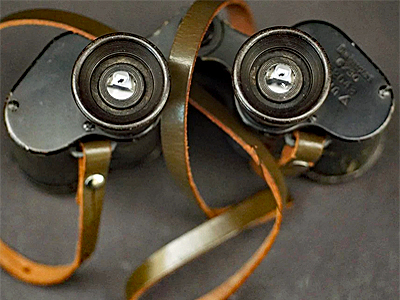
CZ 6x30 1944 122043 rln 01
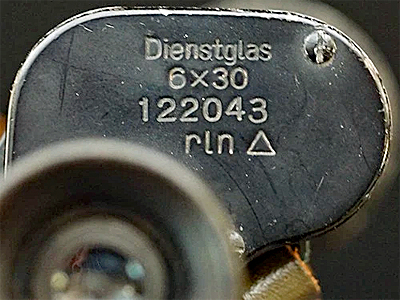
CZ 6x30 1944 122043 rln 02
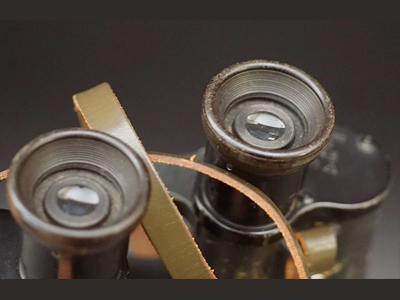
CZ 6x30 1944 122043 rln 03
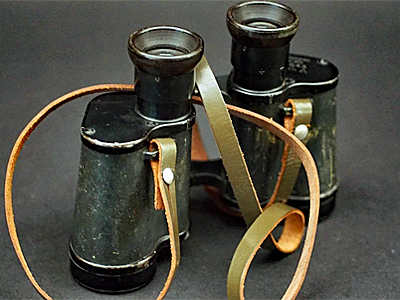
CZ 6x30 1944 122043 rln 04
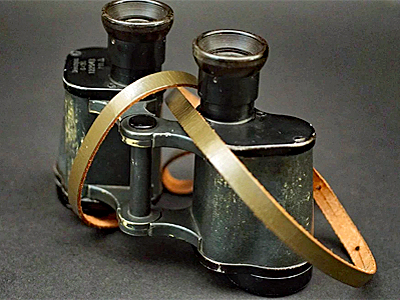
CZ 6x30 1944 122043 rln 05
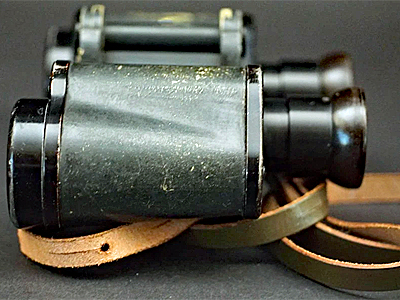
CZ 6x30 1944 122043 rln 06
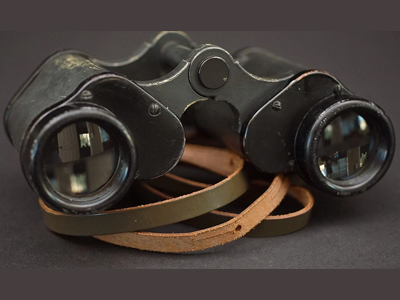
CZ 6x30 1944 122043 rln 07
|
|
41 : 056727
mfg.19xx
|
|
|
 The Hungarian Munkásőrség (Workers’ Militia) was a paramilitary organization in the Hungarian People’s Republic from 1956 to 1989. The Hungarian Munkásőrség (Workers’ Militia) was a paramilitary organization in the Hungarian People’s Republic from 1956 to 1989.
Following the quelled Hungarian Revolution of 1956, the Revolutionary Workers’-Peasants’ Government ordered the formation of the Workers’ Militia on February 18, 1957. It replaced the revolutionary regime’s special police force (karhatalom or also known as pufajkások, named after their Soviet-style quilted jackets). The slate-grey uniformed and armed Militia’s aim was to defend the means of production. It was a voluntary service, but obviously offered some career advantages.
 Starting with 20,000 members, it gradually developed into a large armed force (60,000 strong in 1988), although they were never deployed. Starting with 20,000 members, it gradually developed into a large armed force (60,000 strong in 1988), although they were never deployed.
The first commander of the organization was Lajos Halász (1957–1962), followed by Árpád Papp (1962–1970), then lastly Sándor Borbély (1970–1989).
On October 31, 1989, a referendum was held with the question: “Should the Workers’ Militia be disbanded?”. The answer was an overwhelming Yes (94.9%), a result which confirmed the previously-adopted law (1989 XXXth). |
|
|
|
|
|
|
|
|
|
| 119301 |
|
| Black “Vulkanite” body covering, aluminum fittings, left prism cover marked “41” (manufacturer code of MAGYAR OPTICAI MŰVEK, MOM, HUNGARIAN OPTICAL WORKS), right prism cover marked “6×30” over “M.H.SZ. TULAJDONA” (“HUNGARIAN H.SZ. PROPERTY”) over “119301”, ⊕ reticle within right lens tube, brown leather carrying strap, brown leather case (with two amber filters, |
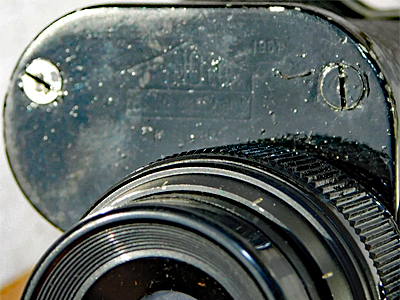
8x30 19xx MG 51-2466 Trinolux Huet France 01
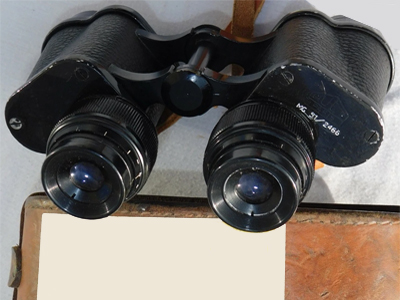
8x30 19xx MG 51-2466 Trinolux Huet France 02
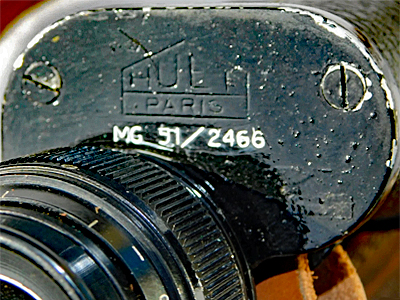
8x30 19xx MG 51-2466 Trinolux Huet France 03
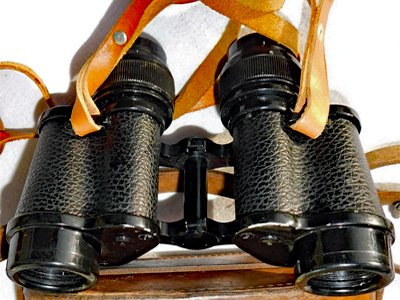
8x30 19xx MG 51-2466 Trinolux Huet France 04
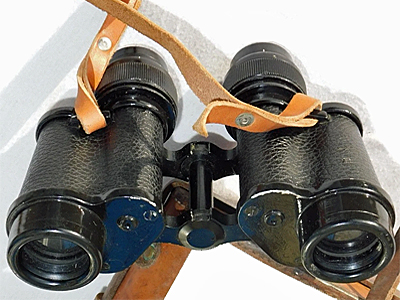
8x30 19xx MG 51-2466 Trinolux Huet France 05
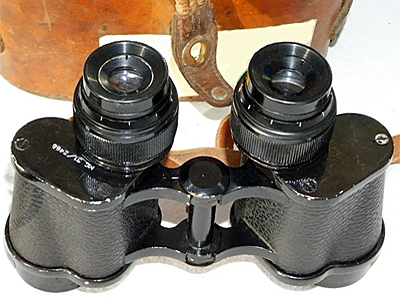
8x30 19xx MG 51-2466 Trinolux Huet France 06
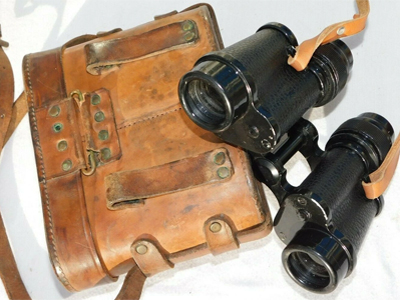
8x30 19xx MG 51-2466 Trinolux Huet France 07
|
|
41 : 119301
mfg.19xx
|
|
|
|
|
|
|
|
|
|
|
|
|
|
|
|
|
|
|
|
|
|
|
|
|
|
|
|
|
|
|
|
|
| 212731 |
|
| Black “Vulkanite” body covering, aluminum fittings, left prism cover marked “41” (manufacturer code of MAGYAR OPTICAI MŰVEK, MOM, HUNGARIAN OPTICAL WORKS), right prism cover marked “8×30” over “MUNKÁSŐRSÉG TULAJDONA” (“WORKERS’ MILITIA PROPERTY”) over “212731”, ⊕ reticle within right lens tube, brown leather carrying strap, brown leather case |
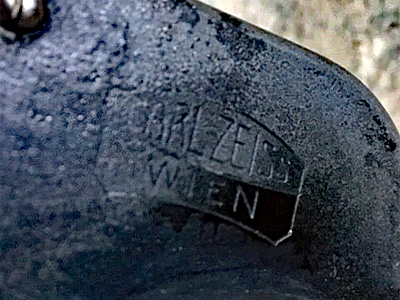
CZ 6x30 1917-09 783132 Wien SILVAMAR 01
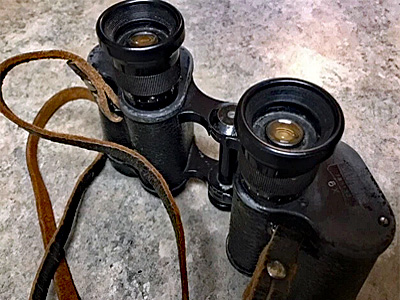
CZ 6x30 1917-09 783132 Wien SILVAMAR 02
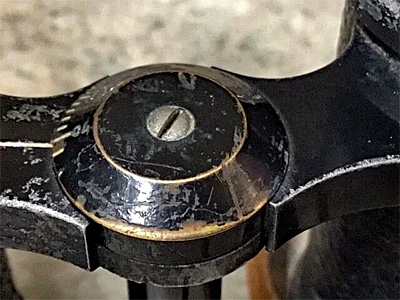
CZ 6x30 1917-09 783132 Wien SILVAMAR 03
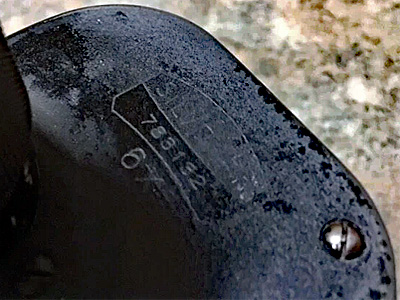
CZ 6x30 1917-09 783132 Wien SILVAMAR 04
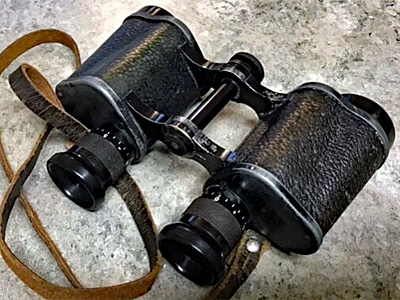
CZ 6x30 1917-09 783132 Wien SILVAMAR 05
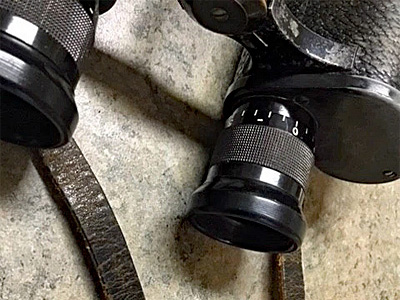
CZ 6x30 1917-09 783132 Wien SILVAMAR 06
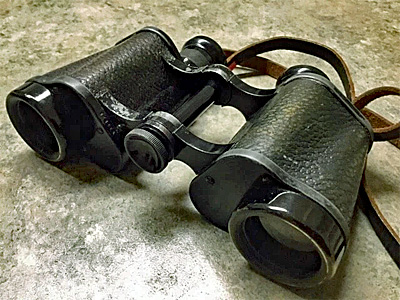
CZ 6x30 1917-09 783132 Wien SILVAMAR 07
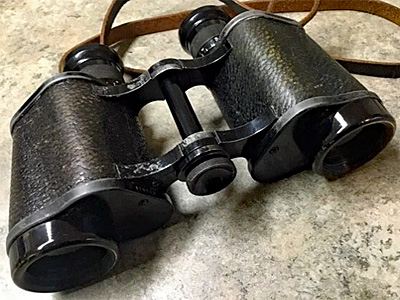
CZ 6x30 1917-09 783132 Wien SILVAMAR 08
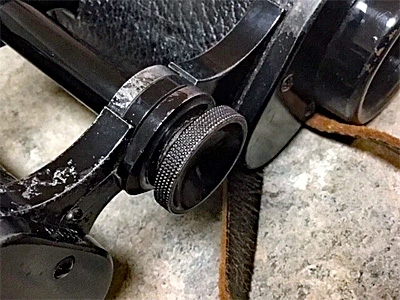
CZ 6x30 1917-09 783132 Wien SILVAMAR 09
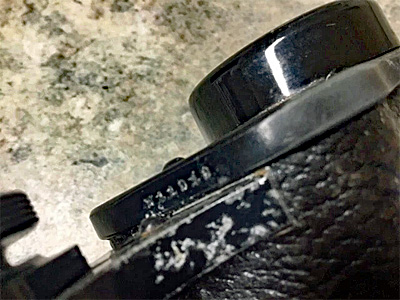
CZ 6x30 1917-09 783132 Wien SILVAMAR 10
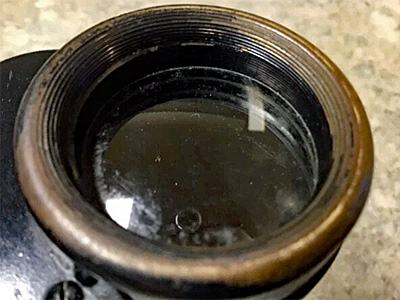
CZ 6x30 1917-09 783132 Wien SILVAMAR 11
|
|
41 : 212731
mfg.19xx
|
|
|
 The Hungarian Munkásőrség (Workers’ Militia) was a paramilitary organization in the Hungarian People’s Republic from 1956 to 1989. The Hungarian Munkásőrség (Workers’ Militia) was a paramilitary organization in the Hungarian People’s Republic from 1956 to 1989.
Following the quelled Hungarian Revolution of 1956, the Revolutionary Workers’-Peasants’ Government ordered the formation of the Workers’ Militia on February 18, 1957.
It replaced the revolutionary regime’s special police force (karhatalom or also known as pufajkások, named after their Soviet-style quilted jackets). The slate-grey uniformed and armed Militia’s aim was to defend the means of production. It was a voluntary service, but obviously offered some career advantages.
 Starting with 20,000 members, it gradually developed into a large armed force (60,000 strong in 1988), although they were never deployed. Starting with 20,000 members, it gradually developed into a large armed force (60,000 strong in 1988), although they were never deployed.
The first commander of the organization was Lajos Halász (1957–1962), followed by Árpád Papp (1962–1970), then lastly Sándor Borbély (1970–1989).
On October 31, 1989, a referendum was held with the question: “Should the Workers’ Militia be disbanded?”. The answer was an overwhelming Yes (94.9%), a result which confirmed the previously-adopted law (1989 XXXth). |
|
|
|
|
|
|
|
|
|
|
|
|
|
|
|
|
|
|
|
|
|
|
|
|
|
|
|
|
|
|
|
|
|
| 214943 |
|
| Black “Vulkanite” body covering, aluminum fittings, left prism cover marked “41” (manufacturer code of MAGYAR OPTICAI MŰVEK, MOM, HUNGARIAN OPTICAL WORKS), right prism cover marked “8×30” over “MUNKÁSŐRSÉG TULAJDONA” (“WORKERS’ MILITIA PROPERTY”) over “214943”, ⊕ reticle within right lens tube, brown leather carrying strap |

CZ-10x50-1944-87791-rln-00

CZ-10x50-1944-87791-rln-00a

CZ-10x50-1944-87791-rln-01

CZ-10x50-1944-87791-rln-02

CZ-10x50-1944-87791-rln-03

CZ-10x50-1944-87791-rln-04

CZ-10x50-1944-87791-rln-05
|
|
41 : 214943
mfg.19xx
|
|
|
 The Hungarian Munkásőrség (Workers’ Militia) was a paramilitary organization in the Hungarian People’s Republic from 1956 to 1989. The Hungarian Munkásőrség (Workers’ Militia) was a paramilitary organization in the Hungarian People’s Republic from 1956 to 1989.
Following the quelled Hungarian Revolution of 1956, the Revolutionary Workers’-Peasants’ Government ordered the formation of the Workers’ Militia on February 18, 1957.
It replaced the revolutionary regime’s special police force (karhatalom or also known as pufajkások, named after their Soviet-style quilted jackets). The slate-grey uniformed and armed Militia’s aim was to defend the means of production. It was a voluntary service, but obviously offered some career advantages.
 Starting with 20,000 members, it gradually developed into a large armed force (60,000 strong in 1988), although they were never deployed. Starting with 20,000 members, it gradually developed into a large armed force (60,000 strong in 1988), although they were never deployed.
The first commander of the organization was Lajos Halász (1957–1962), followed by Árpád Papp (1962–1970), then lastly Sándor Borbély (1970–1989).
On October 31, 1989, a referendum was held with the question: “Should the Workers’ Militia be disbanded?”. The answer was an overwhelming Yes (94.9%), a result which confirmed the previously-adopted law (1989 XXXth). |
|
|
|
|
|
| 853636 |
|
| Black “Vulkanite” body covering, aluminum fittings, left prism cover marked “41” (manufacturer code of MAGYAR OPTICAI MŰVEK, MOM, HUNGARIAN OPTICAL WORKS), right prism cover marked “8×30” over “HONVÉDSÉG TULAJDONA” (“HUNGARIAN DEFENSE FORCES PROPERTY”) over “853636”, ⊕ reticle within right lens tube, brown leather carrying strap, brown leather case marked with “Kingdom of Hungary coat of arms” over “1918” on bottom and “TABA” on top, front, and bottom |

RUKA-10x50-97019-01-400300
RUKA-10x50-97019

RUKA-10x50-97019-02-400300
RUKA-10x50-97019
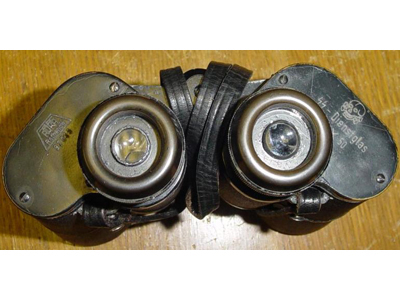
RUKA-10x50-97019-03-400300
RUKA-10x50-97019

RUKA-10x50-97019-04-400300
RUKA-10x50-97019
|
|
41 : 853636
mfg.19xx
|
|
|
|
|
|
|
|
|
|
|
|
|
|
|
|
|
|
|
|
|
|
|
|
|
| 886921 |
|
| Black “Vulkanite” body covering, aluminum fittings, left prism cover marked “41” (manufacturer code of MAGYAR OPTICAI MŰVEK, MOM, HUNGARIAN OPTICAL WORKS), right prism cover marked “8×30” over “MUNKÁSŐRSÉG TULAJDONA” (“WORKERS’ MILITIA PROPERTY”) over “886921”, ⊕ reticle within right lens tube, brown leather carrying strap |
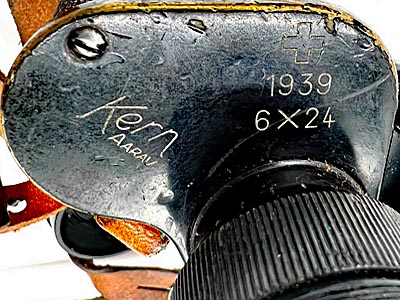
6x24 Kern Aarau 1939 unknown 01
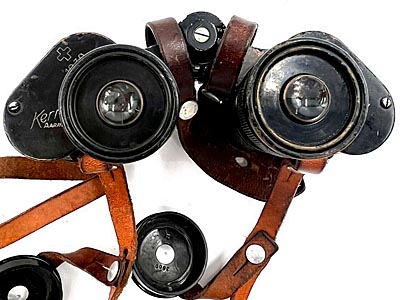
6x24 Kern Aarau 1939 unknown 02
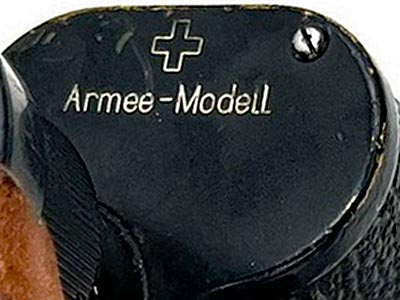
6x24 Kern Aarau 1939 unknown 03
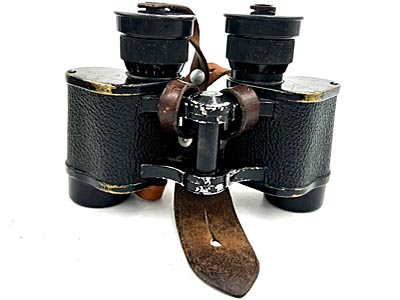
6x24 Kern Aarau 1939 unknown 04
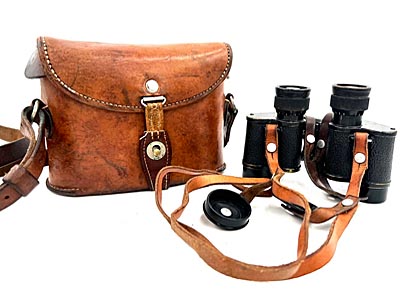
6x24 Kern Aarau 1939 unknown 05
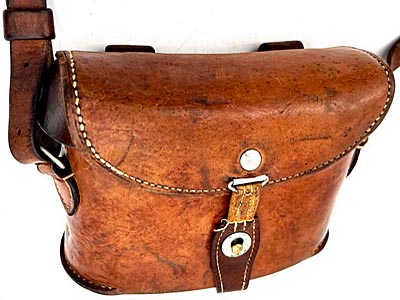
6x24 Kern Aarau 1939 unknown 06
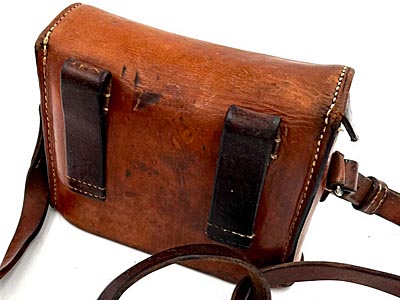
6x24 Kern Aarau 1939 unknown 07
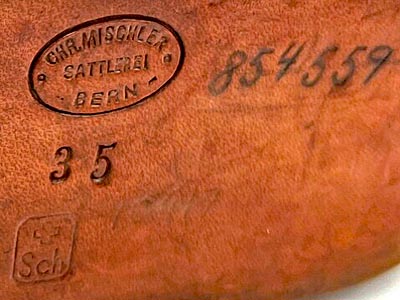
6x24 Kern Aarau 1939 unknown 08
|
|
41 : 886921
mfg.19xx
|
|
|
 The Hungarian Munkásőrség (Workers’ Militia) was a paramilitary organization in the Hungarian People’s Republic from 1956 to 1989. The Hungarian Munkásőrség (Workers’ Militia) was a paramilitary organization in the Hungarian People’s Republic from 1956 to 1989.
Following the quelled Hungarian Revolution of 1956, the Revolutionary Workers’-Peasants’ Government ordered the formation of the Workers’ Militia on February 18, 1957.
It replaced the revolutionary regime’s special police force (karhatalom or also known as pufajkások, named after their Soviet-style quilted jackets). The slate-grey uniformed and armed Militia’s aim was to defend the means of production. It was a voluntary service, but obviously offered some career advantages.
 Starting with 20,000 members, it gradually developed into a large armed force (60,000 strong in 1988), although they were never deployed. Starting with 20,000 members, it gradually developed into a large armed force (60,000 strong in 1988), although they were never deployed.
The first commander of the organization was Lajos Halász (1957–1962), followed by Árpád Papp (1962–1970), then lastly Sándor Borbély (1970–1989).
On October 31, 1989, a referendum was held with the question: “Should the Workers’ Militia be disbanded?”. The answer was an overwhelming Yes (94.9%), a result which confirmed the previously-adopted law (1989 XXXth). |
|
|
|
|
|
| xxxxx |
|
| Black “Vulkanite” body covering, aluminum fittings, left prism cover marked “41” (manufacturer code of MAGYAR OPTICAI MŰVEK, MOM, HUNGARIAN OPTICAL WORKS), right prism cover marked “6×30” over “HONVÉDSÉG TULAJDONA” (“HUNGARIAN DEFENSE FORCES PROPERTY”) over “D 101380”, ⊕ reticle within right lens tube, brown leather carrying strap [5000.1200] |

swiss-kern-6x24-13560-01-400300
Swiss Kern / Aarau 6x24 13560
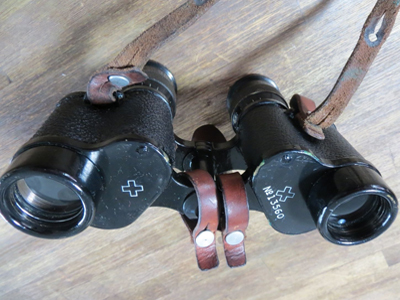
swiss-kern-6x24-13560-06-400300
Swiss Kern / Aarau 6x24 13560

swiss-kern-6x24-13560-09-400300
Swiss Kern / Aarau 6x24 13560

swiss-kern-6x24-13560-10-400300
Swiss Kern / Aarau 6x24 13560

swiss-kern-6x24-13560-11-400300
Swiss Kern / Aarau 6x24 13560

swiss-kern-6x24-13560-04-400300
Swiss Kern / Aarau 6x24 13560

swiss-kern-6x24-13560-05-400300
Swiss Kern / Aarau 6x24 13560
|
|
SK : xxxxx
mfg.19xx
|
|
|
|
|
|
|
|
|
|
|
|
|
|
|
|
|
| xxxxx |
|
| Black “Vulkanite” body covering, aluminum fittings, left prism cover marked “41” (manufacturer code of MAGYAR OPTICAI MŰVEK, MOM, HUNGARIAN OPTICAL WORKS), right prism cover marked “6×30” over “HONVÉDSÉG TULAJDONA” (“HUNGARIAN DEFENSE FORCES PROPERTY”) over “886921”, ⊕ reticle within right lens tube, brown leather carrying strap |
swiss-kern-6x24-13560-01-400300
Swiss Kern / Aarau 6x24 13560
swiss-kern-6x24-13560-06-400300
Swiss Kern / Aarau 6x24 13560
swiss-kern-6x24-13560-09-400300
Swiss Kern / Aarau 6x24 13560
swiss-kern-6x24-13560-10-400300
Swiss Kern / Aarau 6x24 13560
swiss-kern-6x24-13560-11-400300
Swiss Kern / Aarau 6x24 13560
swiss-kern-6x24-13560-04-400300
Swiss Kern / Aarau 6x24 13560
swiss-kern-6x24-13560-05-400300
Swiss Kern / Aarau 6x24 13560
|
|
SK : xxxxx
mfg.19xx
|
|
|
|
|
|
|
|
|
|
|
|
|
|
|
|
|
| xxxxx |
|
| Black “Vulkanite” body covering, aluminum fittings, left prism cover marked “41” (manufacturer code of MAGYAR OPTICAI MŰVEK, MOM, HUNGARIAN OPTICAL WORKS), right prism cover marked “6×30” over “HONVÉDSÉG TULAJDONA” (“HUNGARIAN DEFENSE FORCES PROPERTY”) over “D 101380”, ⊕ reticle within right lens tube, brown leather carrying strap [5000.1200] |
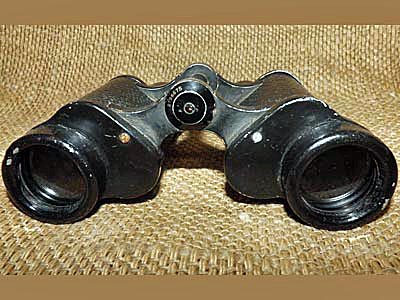
CZ-8x30-2196675-03b-400300

CZ-8x30-2196675-01a-400300

CZ-8x30-2196675-02a-400300

CZ-8x30-2196675-03-400300
Carl Zeiss / Jena 8x30 2196675 Romania
|
|
SK : xxxxx
mfg.19xx
|
|
|
|
|

 SŰSS | GOERZ / Magyar Optikai Művek Rt. (MOM) Budapest, Hungary (19xx-19xx)